Browse
Four sections, twenty-one entries
Filed as chain and country. Nothing here needs a dropdown: every entry on the site is one click from this page.
Section 01 · 6 entries
The Chain
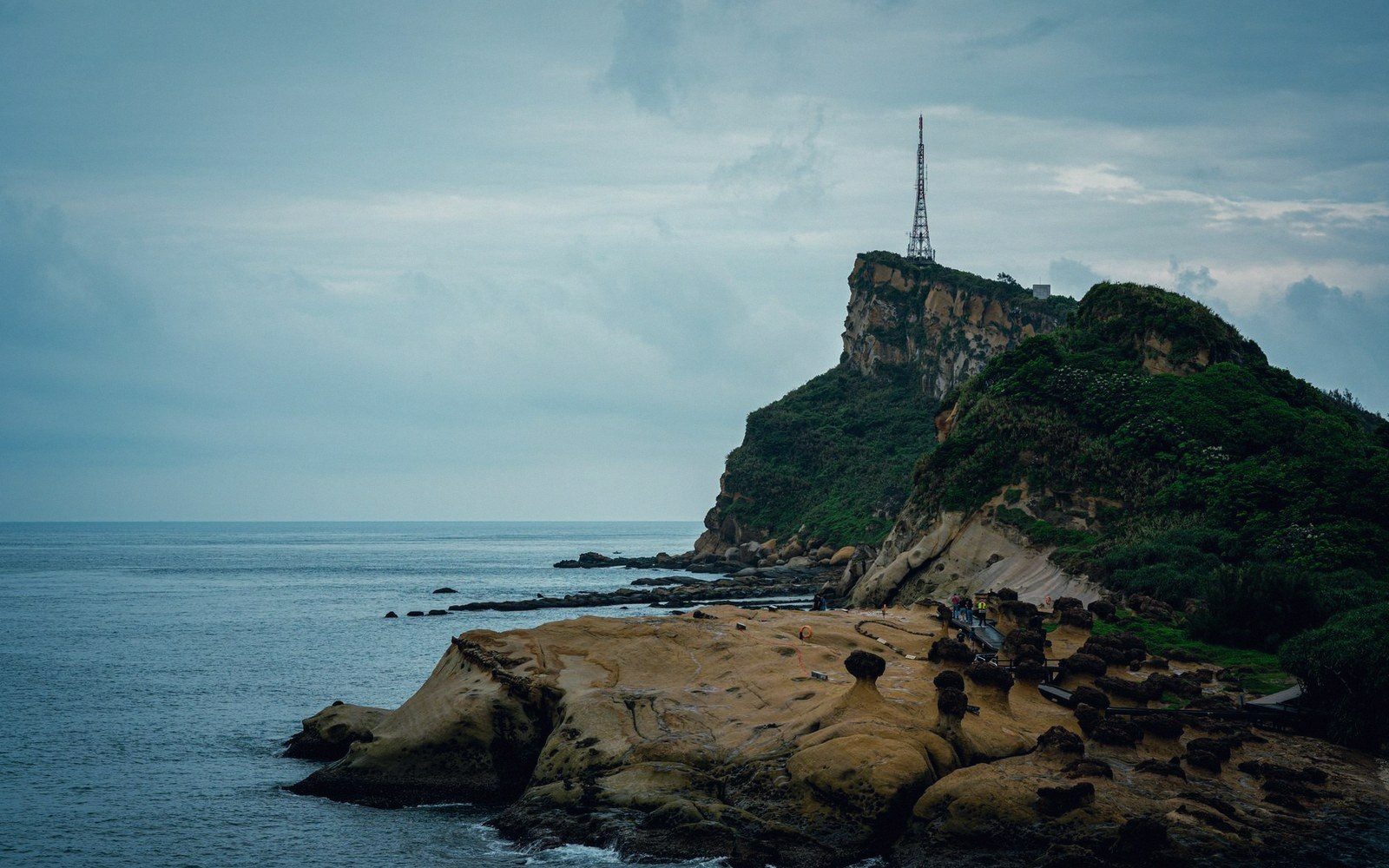
Towers built to see each other. Every entry here states what the tower could see, because that is the only thing its siting was decided by.
- A message round the island in a nightEach tower was sited to see its neighbours, so a fire lit on one could be answered along the whole coast. The network is the point; any single tower is just a link.
- Siting by sightlineHeight, headland and horizon — the three things that decided where one went.
- The shape of a towerRound, battered, one raised doorway and a vaulted chamber. Why each of those is structural rather than decorative.
- The raised doorEntry above ground level, reached by a ladder that could be pulled up.
- The terraceThe working surface on top, and what was kept there.
- What a garrison wasTwo or three men, supplied irregularly, on a rota nobody enjoyed.
Section 02 · 5 entries
Dressed Stone
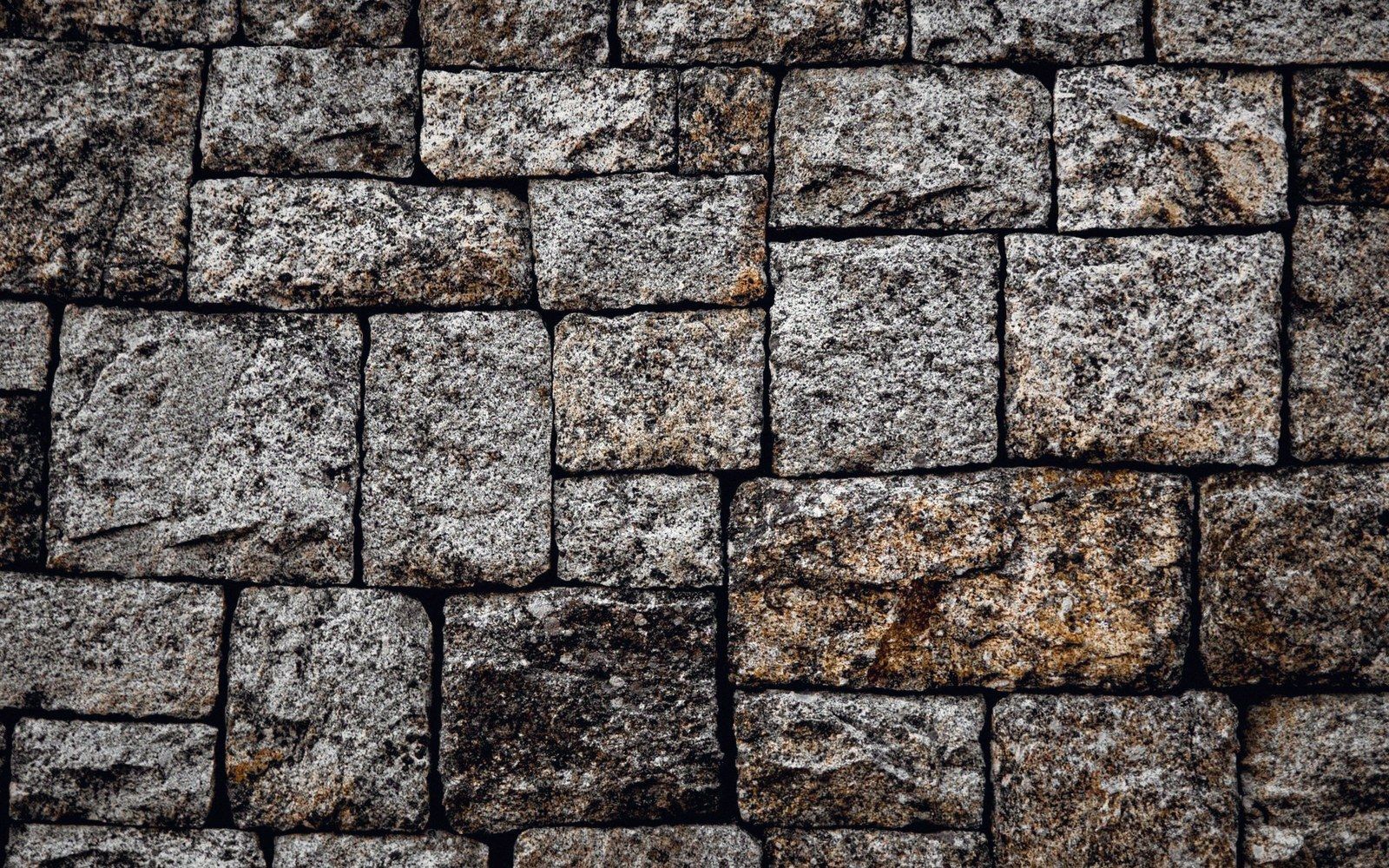
Quarry to quoin to wall. The stone travels the shortest distance it can, and only the parts that must be true are dressed true.
- Quarry to quoinGranite split from the outcrop the building stands on, dressed square only where it has to be — corners, jambs, lintels — and left rough everywhere else.
- Wedge slotsLines of cut slots on an outcrop, the clearest evidence of how it was split.
- The lintelOne stone spanning an opening, and how its length sets the window.
- Mortar or noneWhere lime was used and where the wall simply stands on friction and weight.
- RoofingStone slabs where they could be got, tile where they could not.
Section 03 · 5 entries
The Threshing Year
Grain, chestnut and the paved circle: the small amount of arable a granite slope allows, and the tree that stood in for the rest.
- The paved circleA flat stone floor built on an exposed spur so the wind could take the chaff away.
- Why it is exposedWinnowing needs wind, so the floor is sited for weather rather than convenience.
- Chestnut as grainWhere wheat would not grow, chestnut was dried, milled and eaten as flour.
- The drying houseA small building with a slatted upper floor and a slow fire beneath it.
- The millWater-driven stones, and the leat that fed them.
Section 04 · 5 entries
The Herding Year
Up the mountain and back down. Two addresses in one year, and a set of buildings at each end of the walk.
- Up and back downFlocks moved to high pasture for the summer and back to the coast for the winter, and the buildings follow that movement.
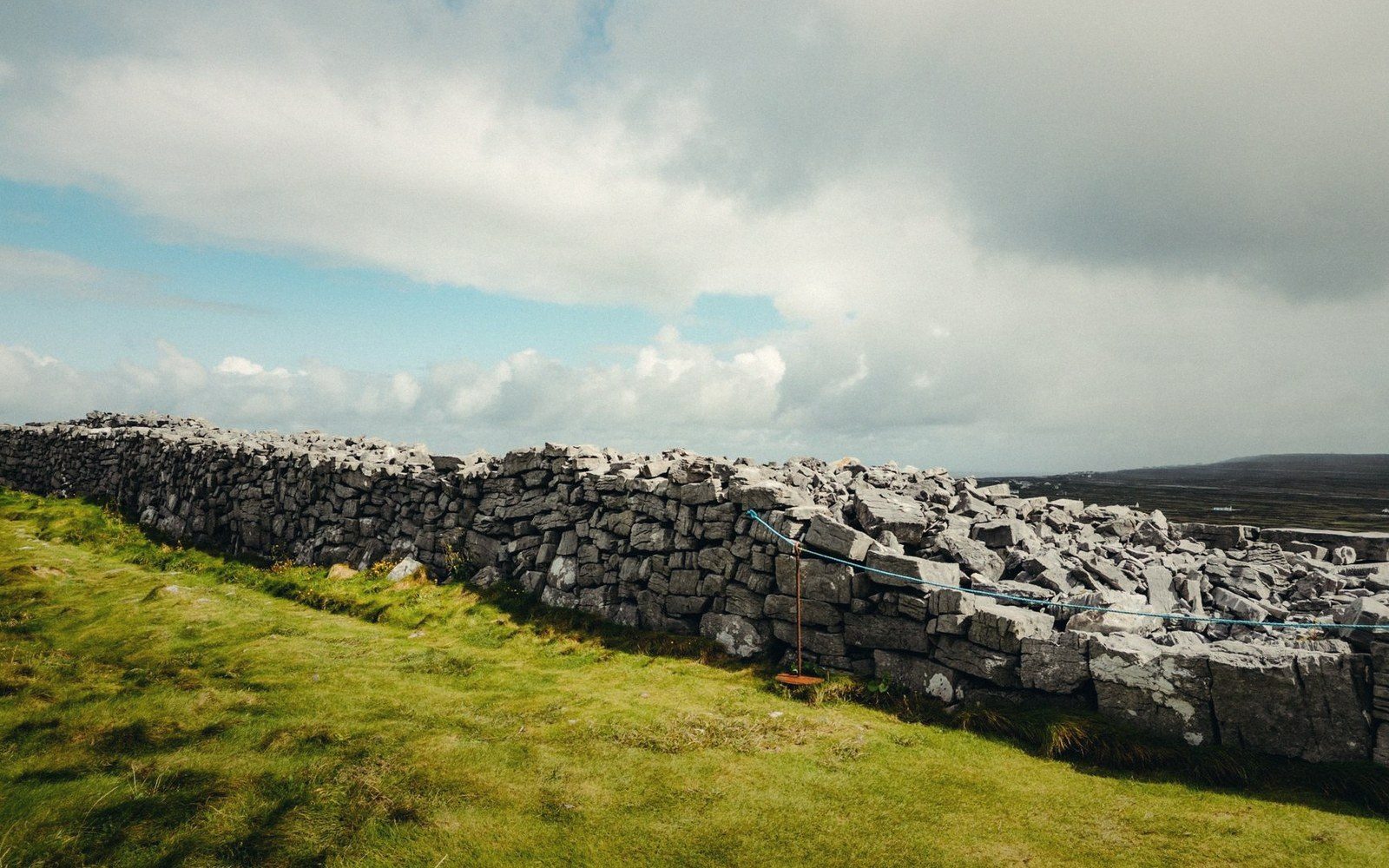
- The stone hutA corbelled drystone shelter built without timber or mortar.
- The sheepfoldA drystone enclosure sited by water and shelter rather than by boundary.
- Cheese on the mountainMaking at altitude because the milk could not be carried down.
- The pathsRoutes worn by animals over centuries, and how they read in the ground.