The tree that replaced the field
Above roughly 600 metres in Corsica's interior, wheat farming was not a practical option. The terraced fields that settlers might have cut into the hillsides simply could not support reliable cereal crops at altitude; the growing season was too short, the soils too thin and leached. What grew instead, with minimal encouragement, was Castanea sativa — the sweet chestnut — and over several centuries communities in the interior organised their entire food economy around it as if it were a grain crop. In practice, it functioned as one.
The Genoese administration actively promoted chestnut cultivation from the sixteenth century onward, issuing decrees that required heads of household in certain zones to plant a fixed number of trees each year. The logic was straightforward: a chestnut grove, once established, would feed a family for generations with almost none of the annual labour that wheat demanded. Unlike cereals, the tree needed no ploughing, no sowing, no weeding. It asked to be harvested and processed, and then it asked almost nothing else. Villages in the Castagniccia — the chestnut-forested region east of the central spine, whose very name derives from the tree — were growing and milling chestnuts as their primary carbohydrate source well into the twentieth century.
Drying, milling, eating
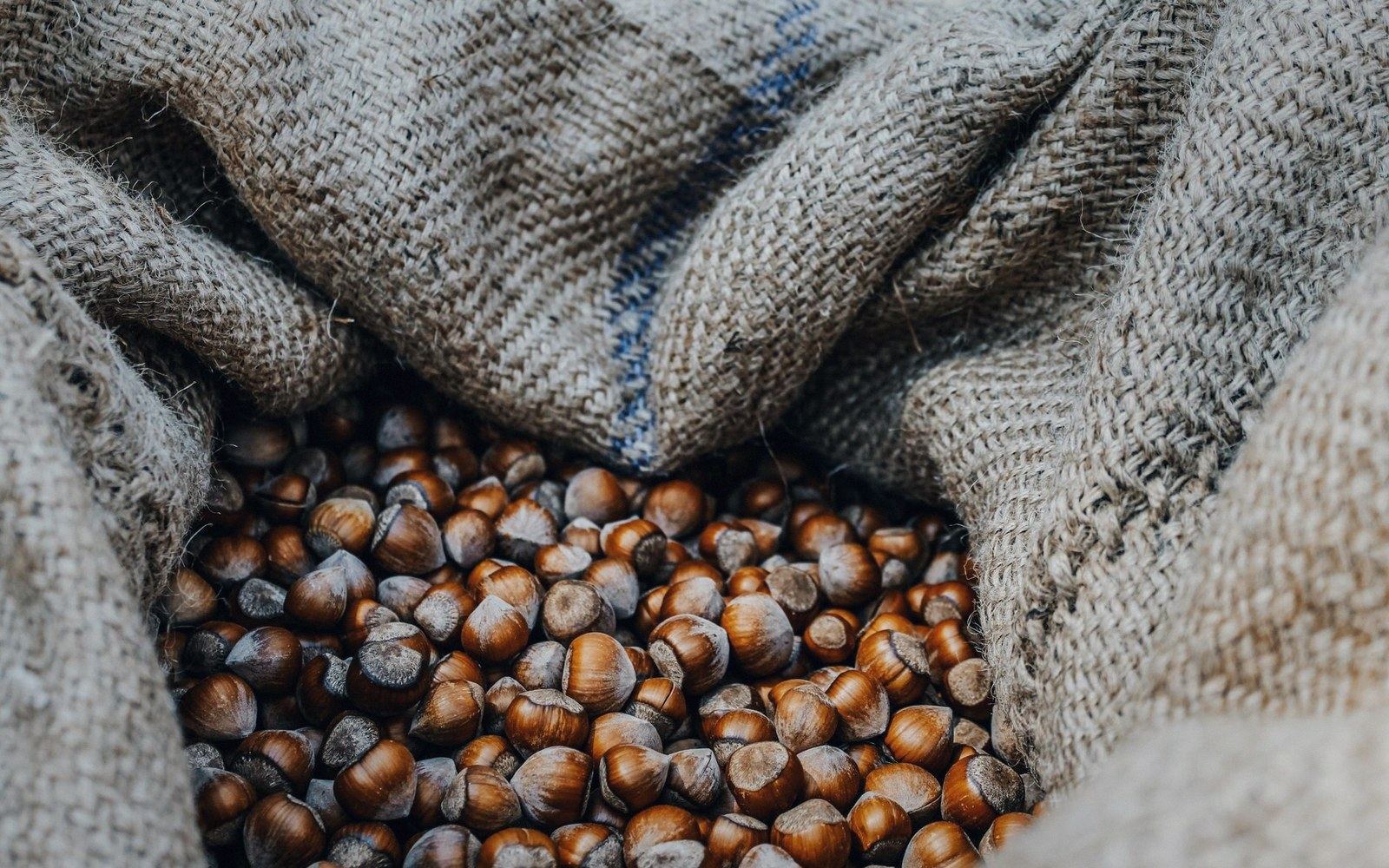
The harvest ran from October into November. Chestnuts fell or were knocked from the canopy and gathered into the grataghju (drying house), a small stone building with a slatted wooden floor raised on low walls above a slow, smoky fire of chestnut wood itself. The nuts lay spread on the slatted floor for several weeks while heat and smoke together drove out moisture and hardened the kernel. This was not incidental to the process — the smoke also deterred the weevils that would otherwise destroy a stored crop, and the slow drying produced a kernel hard enough to be ground on a mill stone without gumming it.
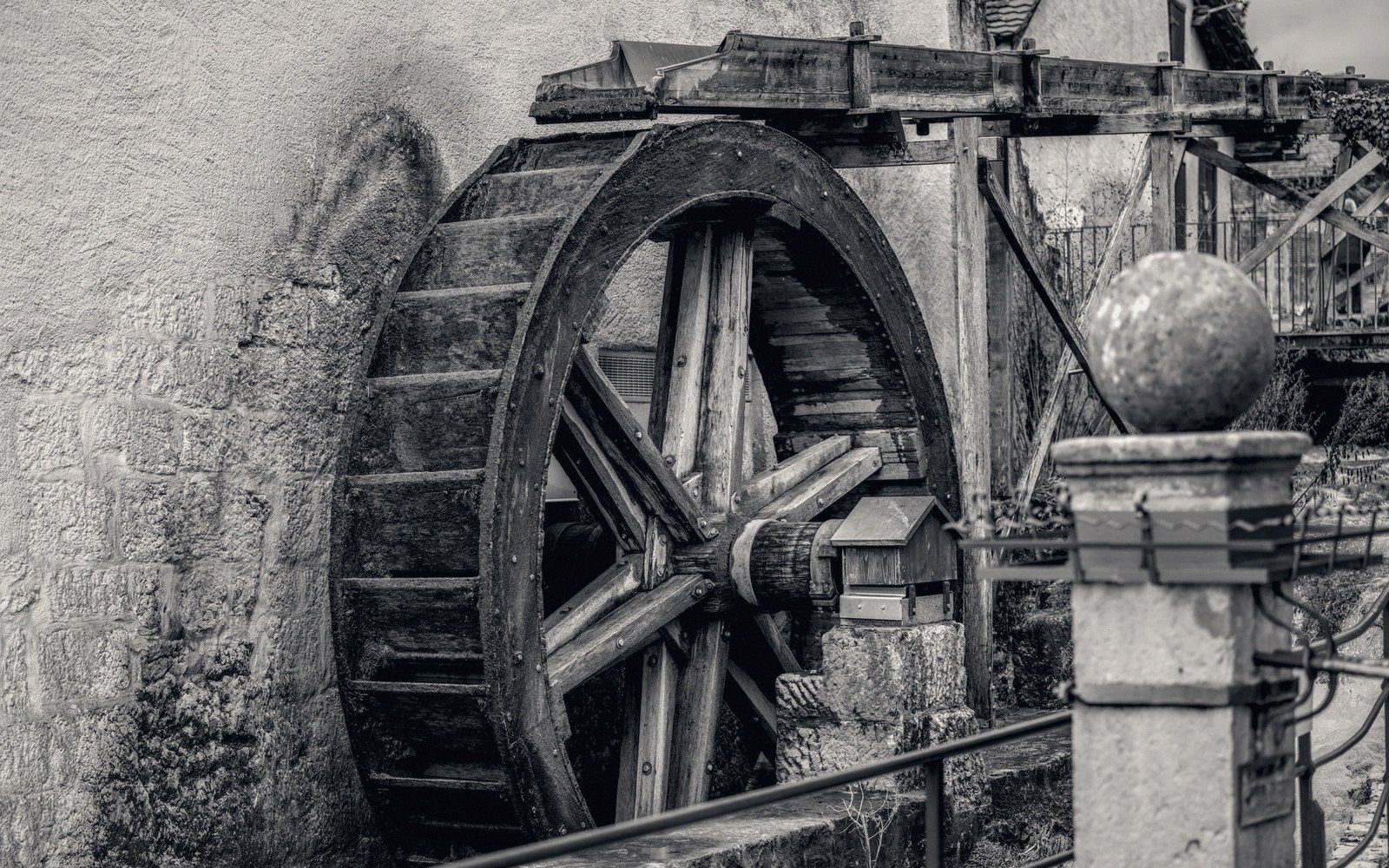
Once dry, the shells were removed by threshing in sacks or beating against stones, and the shelled nuts were carried to the water-driven mill. Chestnut flour milled differently from wheat: the kernel was denser, oilier, and the resulting flour was dark and sweet, with a short shelf life because of its fat content. It could not be stored for the same seasons that wheat flour could. The mill itself — a horizontal-wheeled molinu working from a leat cut to bring water onto the millstone — might serve several villages in a valley, and access to it was timed and governed as carefully as access to a fountain or a threshing floor.
The flour fed a community in forms that have largely disappeared from everyday use but were once as ordinary as bread: a thick polenta-like porridge called pulenta was the daily staple, cooked in a copper cauldron over the hearth and eaten hot. Dried, it could be sliced cold. Chestnut bread was baked but kept badly, so it was made frequently in small batches. Fritters, pancakes, and a dense cake called falculelle — which used fresh cheese alongside the flour — appeared at different seasons. The tree also fed pigs, which foraged beneath it through autumn and produced the cured meats that formed the other half of the upland diet.
What the buildings say
The full processing sequence left a distinctive set of structures in the landscape. The grataghju is the most architecturally specific: a small, tight building with thick granite walls, a low interior clearance, and the slatted floor that distinguishes it from any other farm outbuilding. The drying house demanded particular construction — the gap between the slats had to be wide enough for smoke and heat to rise freely but narrow enough to hold the spread nuts — and the building's proportions were determined by this functional constraint rather than by any aesthetic choice.
Below the drying house, the mill completed the sequence. Together these buildings formed a processing chain as integrated as any grain-farming infrastructure — and just as legible, once you know what you are looking at. When you see a small stone building perched slightly above the village on a slope, with thickened walls and a proportionally low roofline, the chestnut economy built it.
Signal and Stone is an independent publication about vernacular building and landscape organisation in Corsica. It is not a tourism body and carries no affiliation with any regional or national tourism authority.