The mark the quarryman left behind: a line of rectangular cuts in bare granite, one for each iron wedge that would split the stone away.
Reading the outcrop
On any granite spur in Corsica's interior you will find them if you look: a row of small rectangular cuts, each about the width of a thumb and a few centimetres deep, spaced evenly along a line that once defined a block's intended edge. The slots are cut clean into the parent rock; the block they were meant to free is long gone, and what remains is the evidence of method.
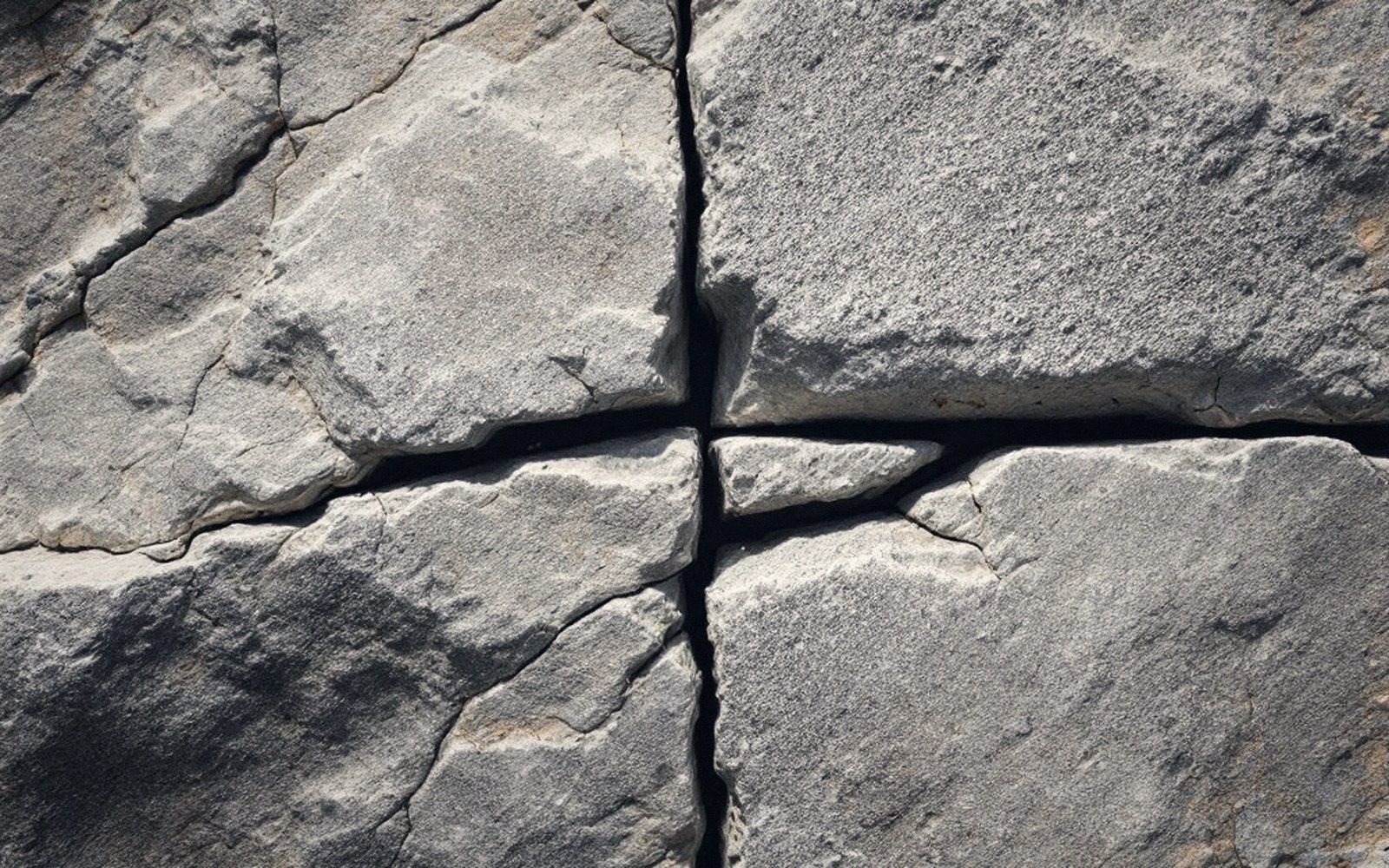
The technique is old enough to predate most of the buildings around it, but it is still legible. A quarryman would find a natural crack or grain line in the rock — granite has both, and reading them correctly was the essential skill — then drill or chisel a series of slots along that line. Into each slot he drove a pair of thin iron feathers, tapered wedge-shaped shims, one on either side, and then a plug between them. Working the plugs in sequence, tapping each a little further than the last, he distributed pressure evenly along the whole length of the cut. The rock did not shatter; it parted. A clean face was the result, and on it you could sometimes see the ghost impressions of those feathers, two shallow parallel marks inside the slot itself.
The spacing of the slots and their size vary with the hardness of the stone and the scale of the block required. A large foundation stone or a quoin — the dressed corner block that holds a wall's geometry together — demanded more slots and more even working. A rough infill block might come away from a single well-chosen natural fracture with only one or two cuts to guide it. The quarryman was reading the rock as much as cutting it; slots cut where they were unnecessary were a waste of labour and iron, both scarce.
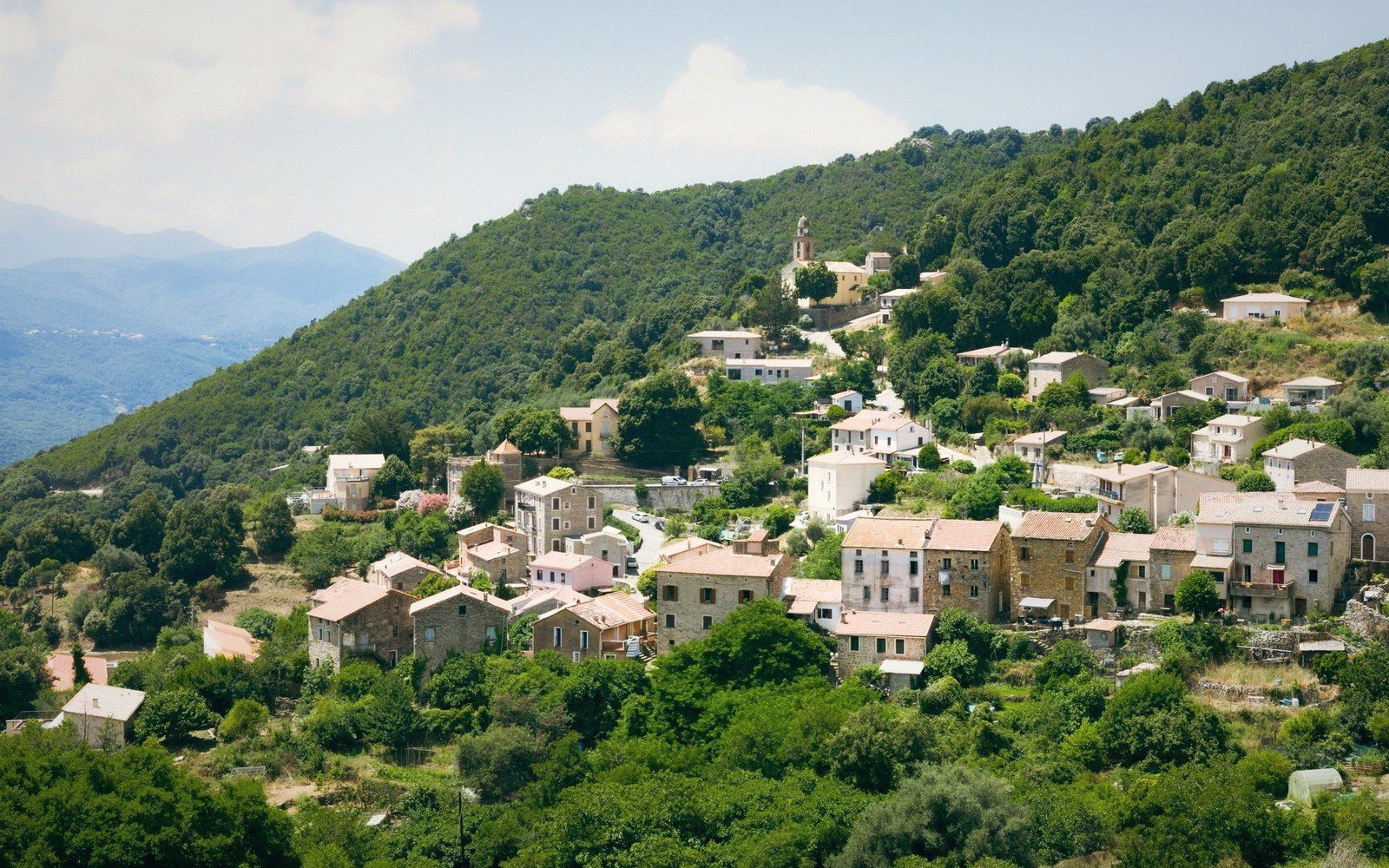
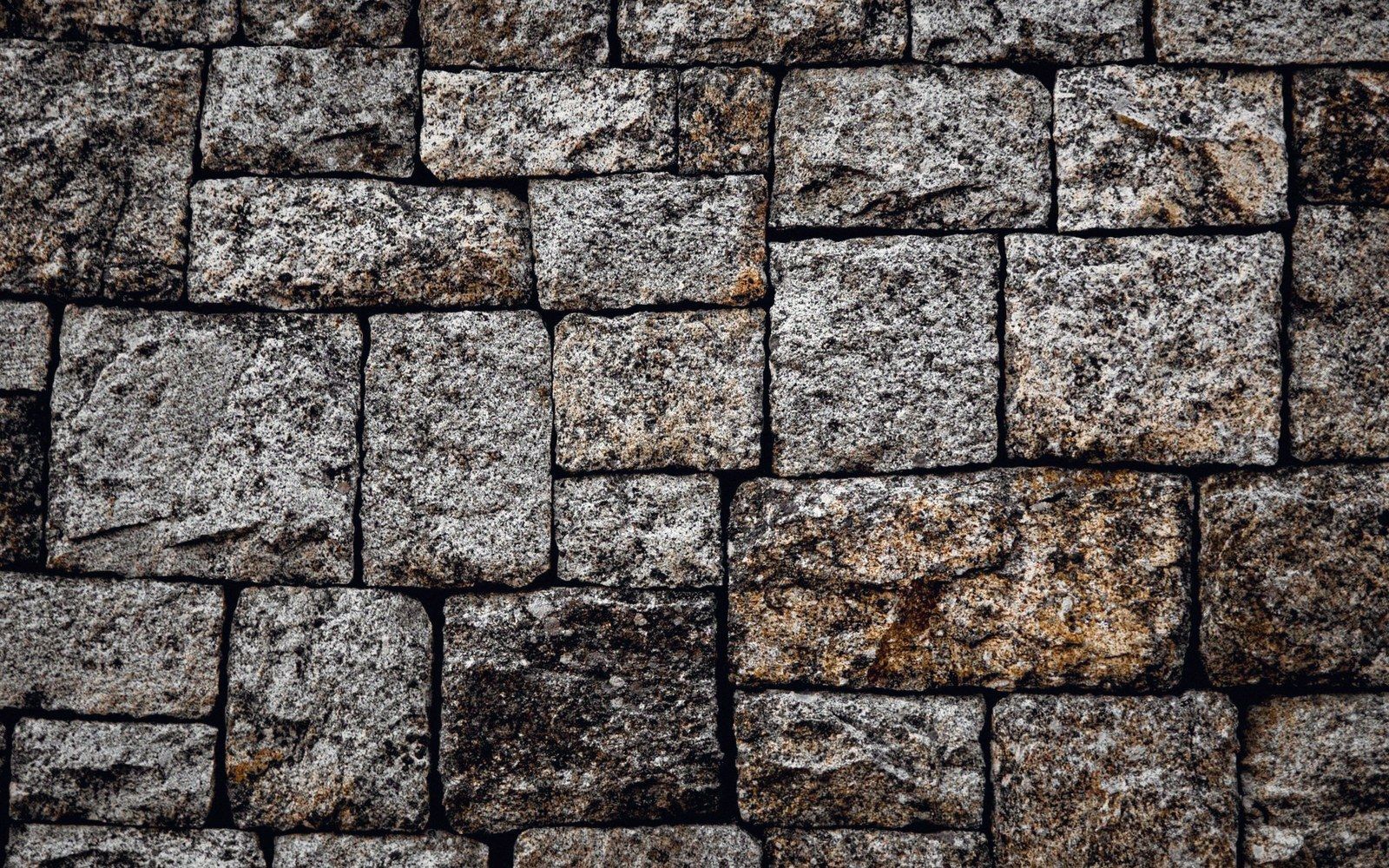
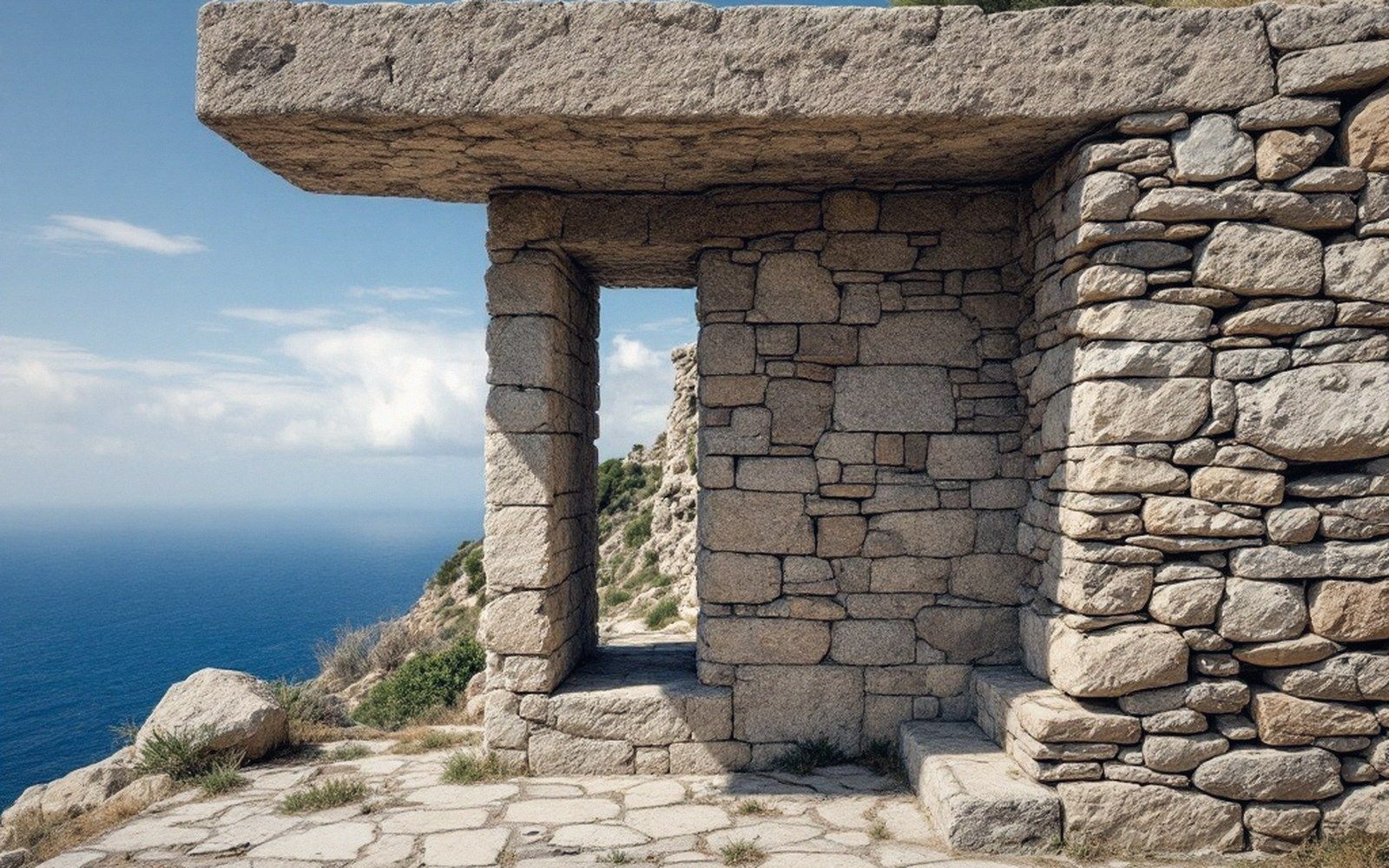
What makes the abandoned slots so useful to anyone reading a landscape is their directional information. They show not only that a block was taken here but which way the grain of the outcrop runs, which direction the stone was split, and often — by the number and density of cuts — roughly what scale of block was needed. Correlate those cuts with a building nearby, and you begin to see the granite split from the outcrop the building stands on, dressed only where it had to be, moved as short a distance as the siting of the structure allowed.
The slots survive because they are in the rock that was left behind. Weather does very little to them. They will be readable long after the mortar in the walls they provisioned has dissolved back to dust.
Signal and Stone is an independent publication about vernacular building and landscape in Corsica. It is not a tourism body and carries no affiliation with any regional or national tourist authority.