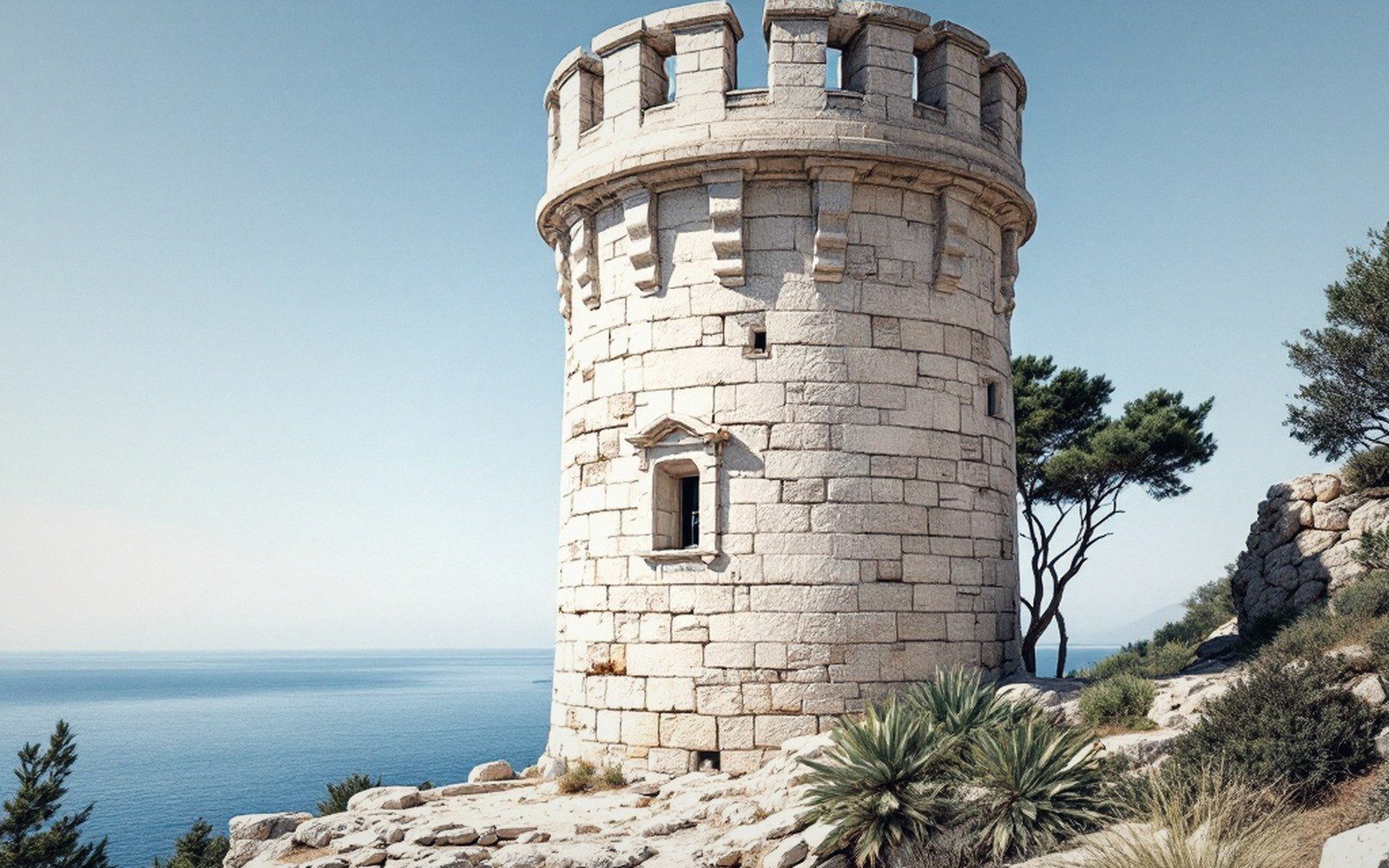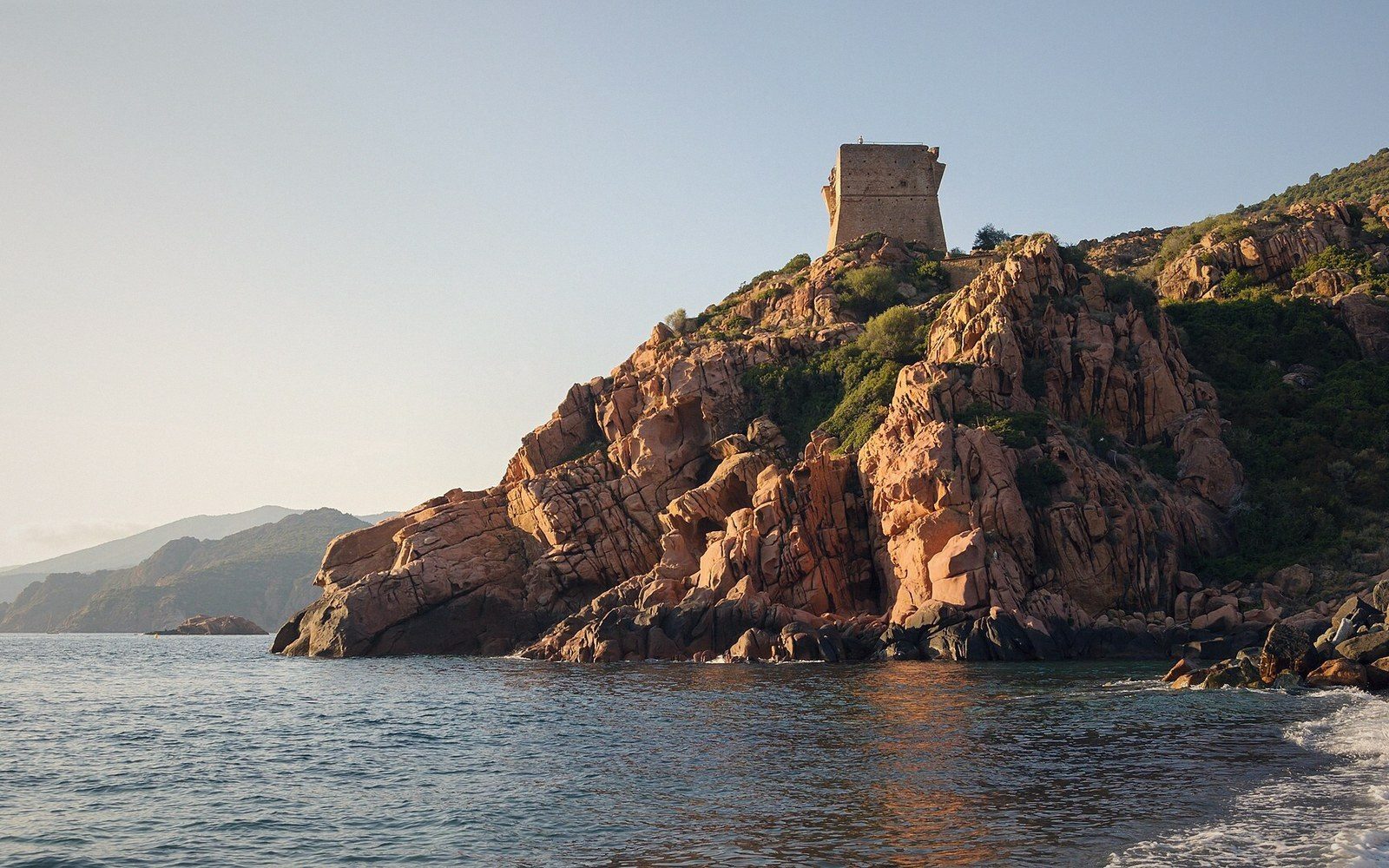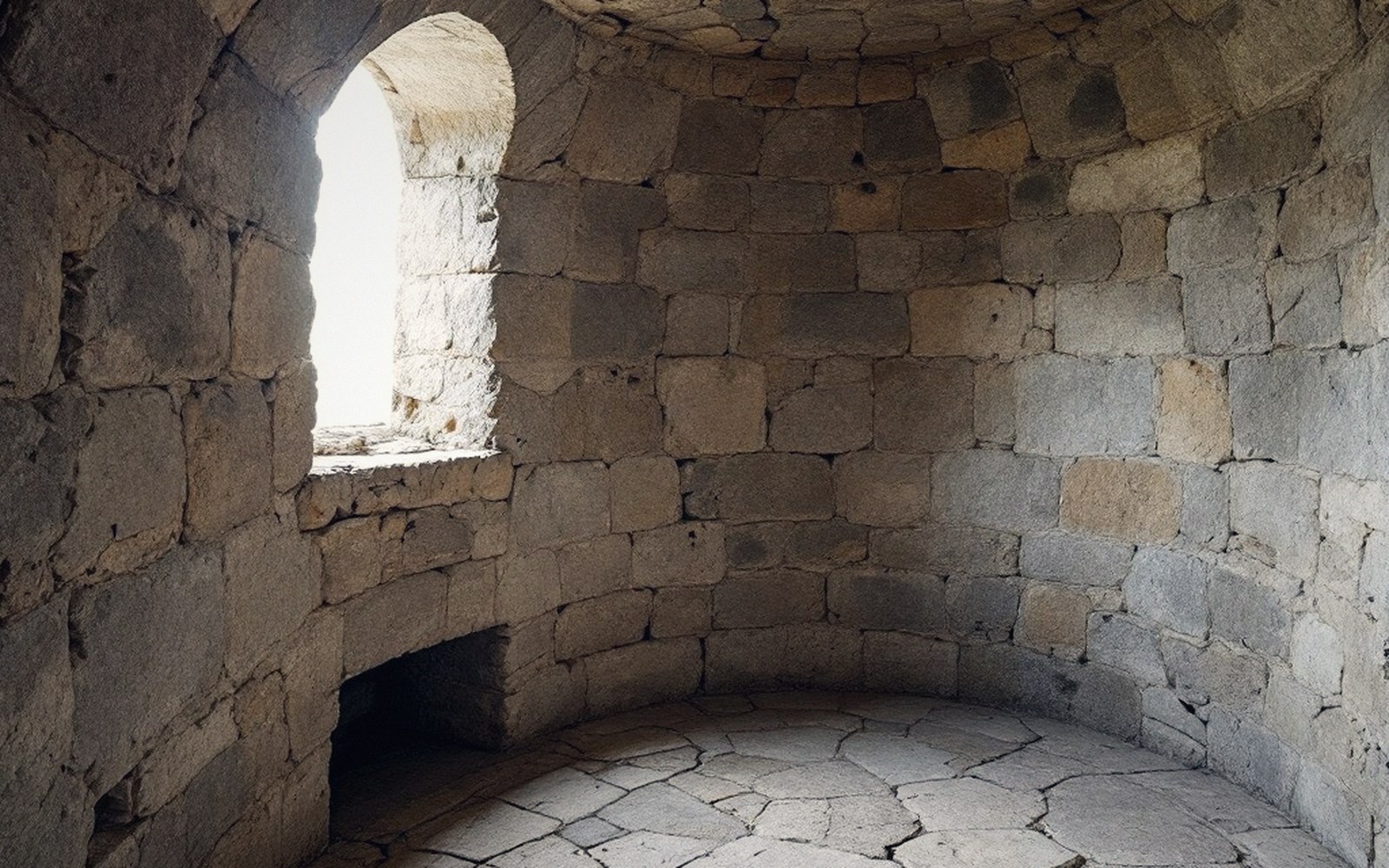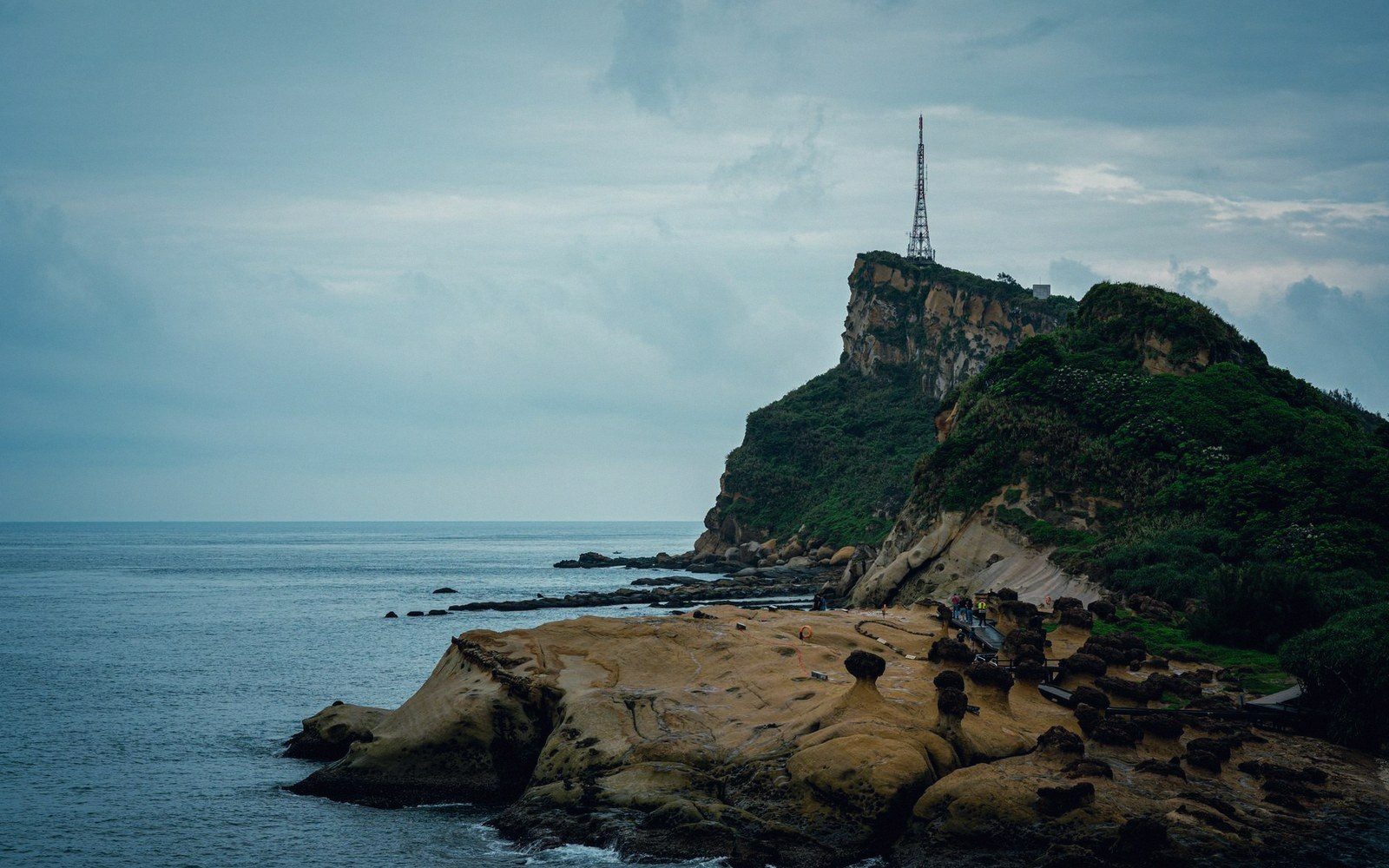
Height, headland and horizon: the three tests every tower position had to pass.
Height, Headland, Horizon
A tower built in the wrong place was worse than no tower at all. Its garrison could signal nothing; the chain broke. So the Genoese surveyors who selected sites around the Corsican coast in the sixteenth century were not choosing positions for towers so much as choosing positions for eyes.
The first requirement was height, but height alone was never sufficient. A peak far inland gives a wide view over the sea and tells you nothing about what is happening at the shoreline. What mattered was usable height — elevation close enough to the water that a lookout could distinguish a vessel's intent, yet high enough to see over any headland that might block the line toward the next tower along the chain. The practical result is that most towers sit not at the summit of a hill but on its seaward shoulder, a compromise that gives both the nearness to the coast and the lift above it.
Headland geometry is the second governing factor, and reading it is what separates a merely high position from a viable one. A headland projects into the sea and by doing so clears the sightline in two directions at once — back along the coast just passed and forward to the stretch ahead. Towers planted on headland tips therefore serve a double function: they survey the water directly below and they anchor two segments of the chain simultaneously. Where the coastline is deeply indented, as it is along much of the Corsican west, the interval between towers shortens accordingly, because each headland cuts off the view of the next.
Horizon is the third variable, and the subtlest. On a clear day the optical horizon from a tower fifteen metres tall, standing on a cliff thirty metres above sea level, extends roughly twenty to twenty-five kilometres across open water. The Genoese did not work in those units, but they worked with the same geometry: neighbouring towers had to be mutually visible, which meant each position was validated by sighting from the proposed site to the site already established, confirming that flame and smoke would carry. The chain thus built itself one link at a time, each new tower position chosen partly by the landscape and partly by where the previous stone already stood. A message round the island in a night depended entirely on this accumulated geometry being right.
The word sito — site, position — appears repeatedly in Genoese administrative documents about the towers, always in connection with visibility. It was understood as a technical criterion, not a matter of convenience.