A walled enclosure sited for water and shelter, not to mark a line on the ground.
Stone in a Ring
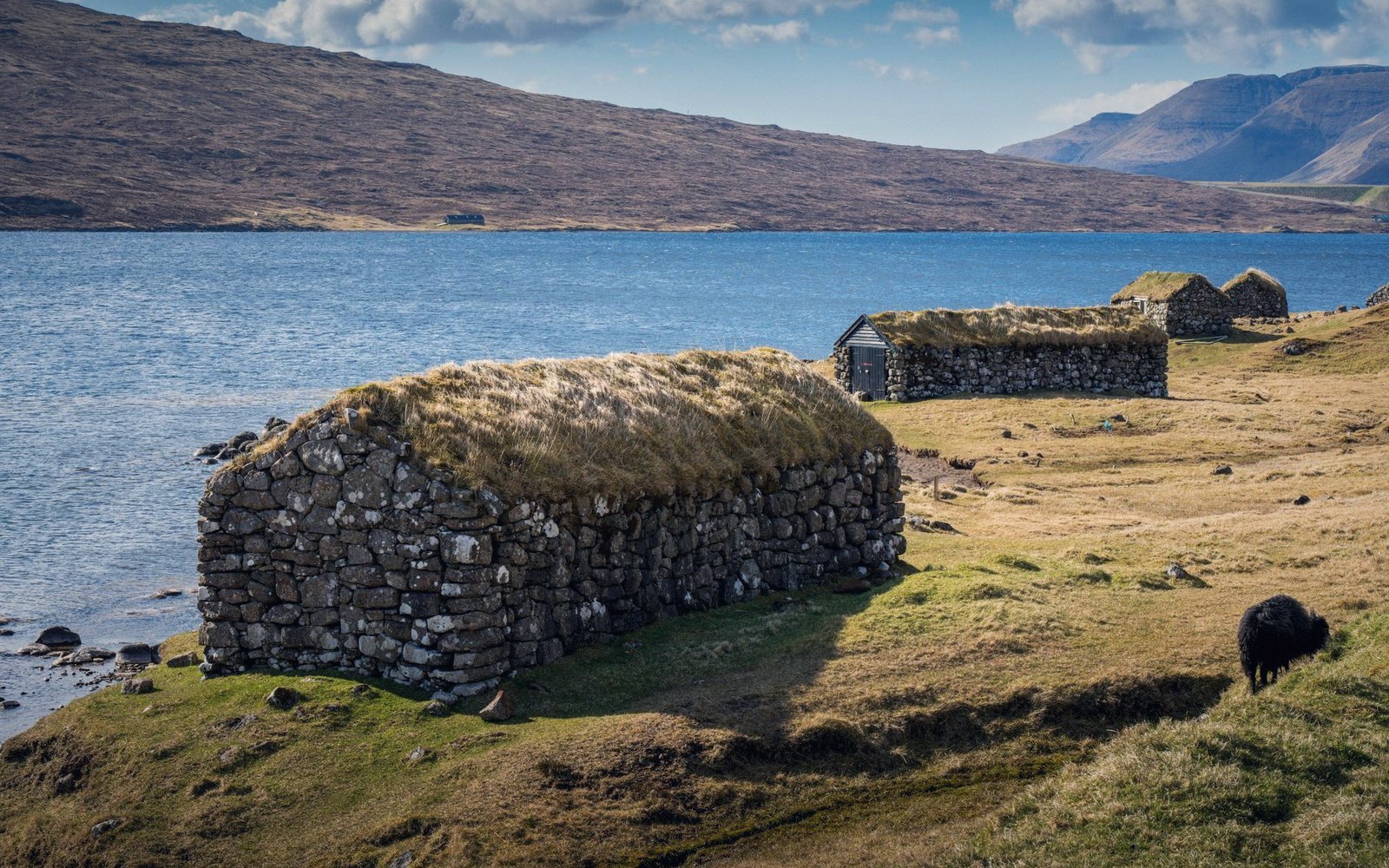
The sheepfold — pagliaghju in Corsican, a term that can shade between fold and shepherd's camp — is not a boundary marker. Its wall does not say this land is mine; it says here there is water, and the wind breaks here. The distinction matters, because it explains why folds appear where they do: tucked against a rock face that blocks the tramontane, beside a spring or a seasonal stream, on ground level enough to hold animals without pressure sores on their legs. Ownership followed function. The enclosure came first; the claim on the surrounding pasture crystallised around it later.
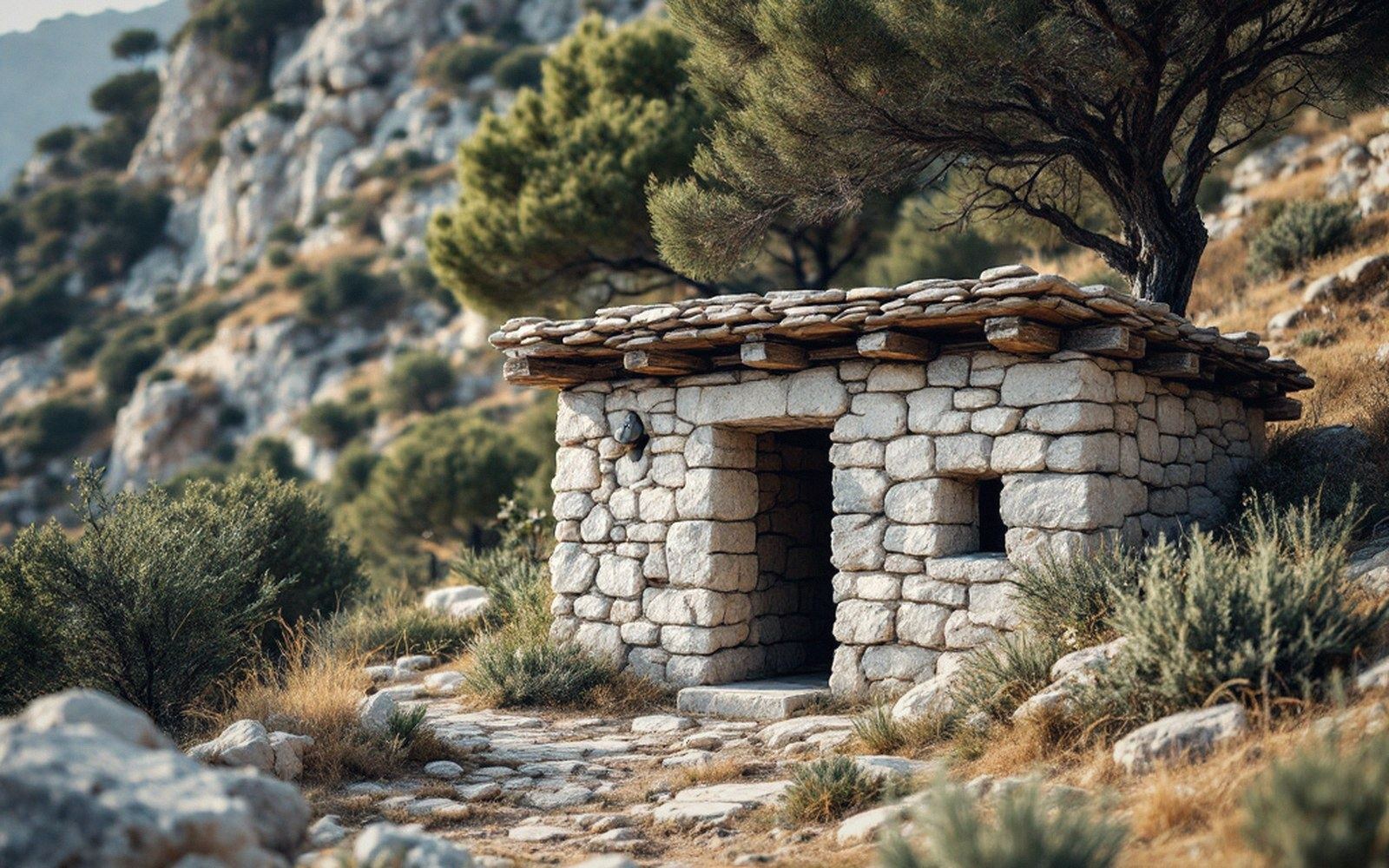
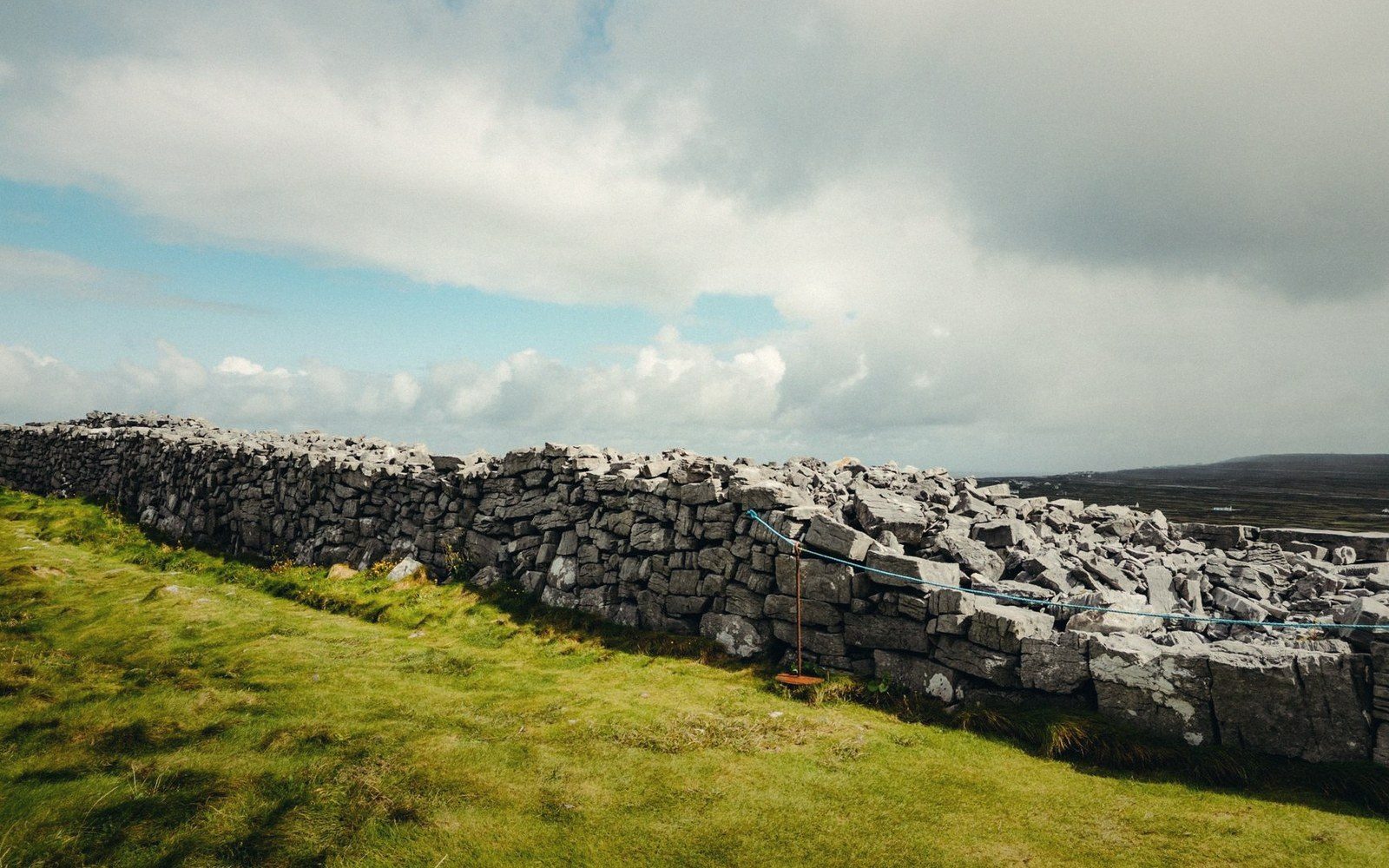
The wall itself is drystone, typically knee- to waist-height — high enough to deter a sheep from testing it, low enough that a shepherd can step over without breaking stride. Granite is laid in rough courses, the largest stones at the base, smaller fill material above, with no attempt at dressed quoins at the corners. Corners are rounded where they exist at all; many folds are oval or irregular, shaped by the outcrop they lean against rather than by any template. The ground plan is pragmatic in the most literal sense: the shape is whatever closes the space that the terrain already half-encloses.
A gap in the wall, rarely more than a metre wide, serves as the entrance — no gate, no lintel, just an interruption. Animals learned it. Shepherds knew it. Anyone else would miss it entirely.
Water was the non-negotiable factor. A fold without a reliable source within a short drive of the flock was a fold that would be abandoned, and the landscape bears this out: ruins cluster along drainage lines, beside granite seeps, at the edge of boggy ground that retains moisture into July. Elevation mattered too, but as a secondary consideration — high enough to reach summer grazing, low enough that the water did not freeze before the animals descended for winter.