One shepherd, one small fire, and walls that needed no mortar to stand for centuries.
A vault without timber
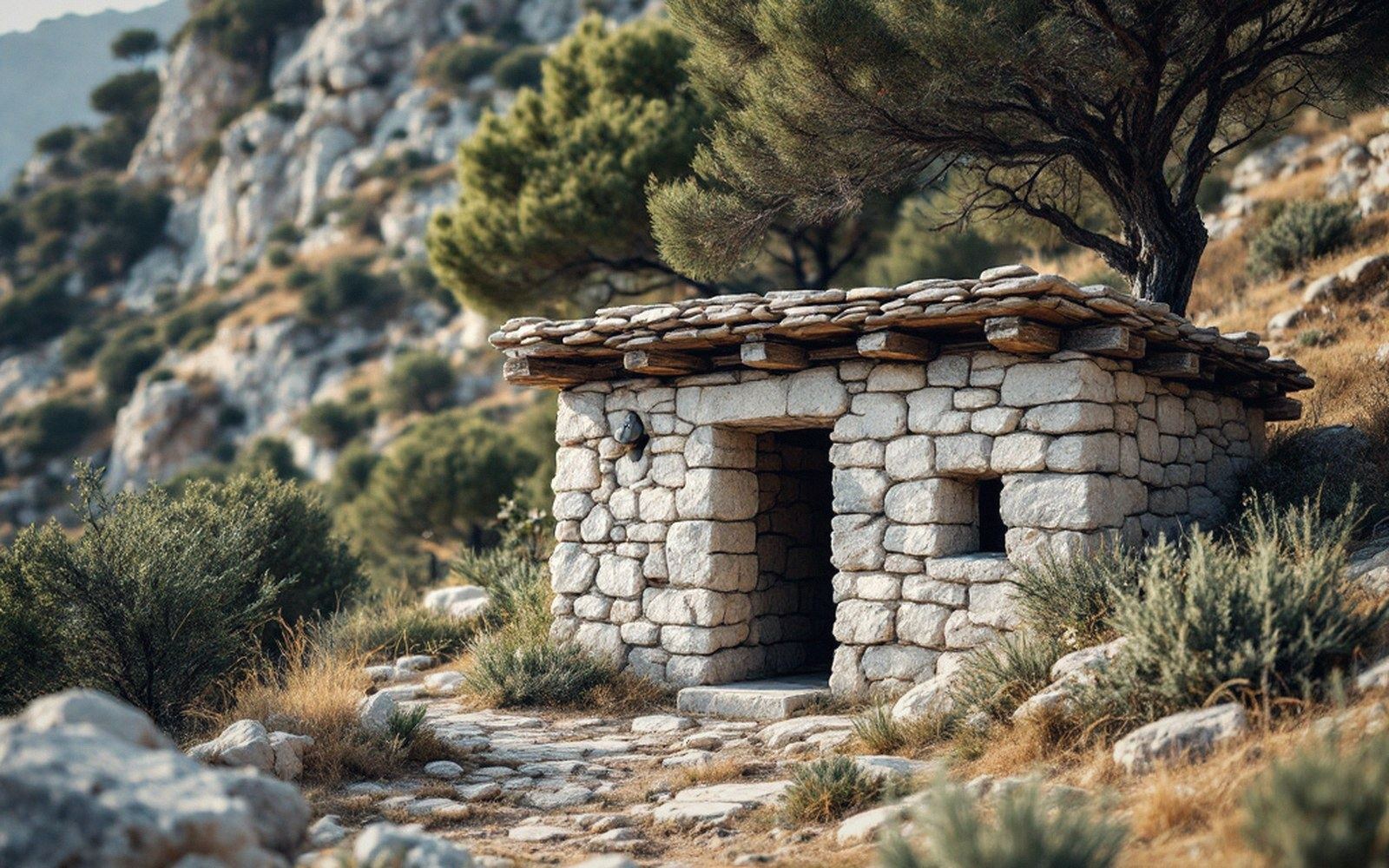
The orriu — the corbelled stone shelter used by transhumant herders on the high plateau — is among the simplest true structures in the European building tradition. No timber, no mortar, no dressed stone beyond the occasional lintel. What holds it up is geometry and weight.
The method is corbelling: each course of flat granite slabs is laid slightly inward of the one beneath it, the overhanging mass counterbalanced by the stone behind it in the wall. Ring by ring the diameter closes until a single capstone seals the opening at the top. The resulting profile — a low dome swelling from a circular base, wider at the shoulder than at the crown — is determined entirely by the physics of the span and the length of available slabs. Where the slabs run long, the dome can be broader and more generous; where the rock splits short, the hut is tighter and taller in proportion.
The walls begin thick, sometimes a metre or more at the base, tapering as they rise. The interior is small enough to be warmed by a man and a fire, with a single low opening — not high enough to stand in — facing away from the prevailing wind. The floor is the ground itself, sometimes laid with flat flags. There is no window. Smoke finds its way out through the interstices between stones, which is also how the structure breathes in wet weather.
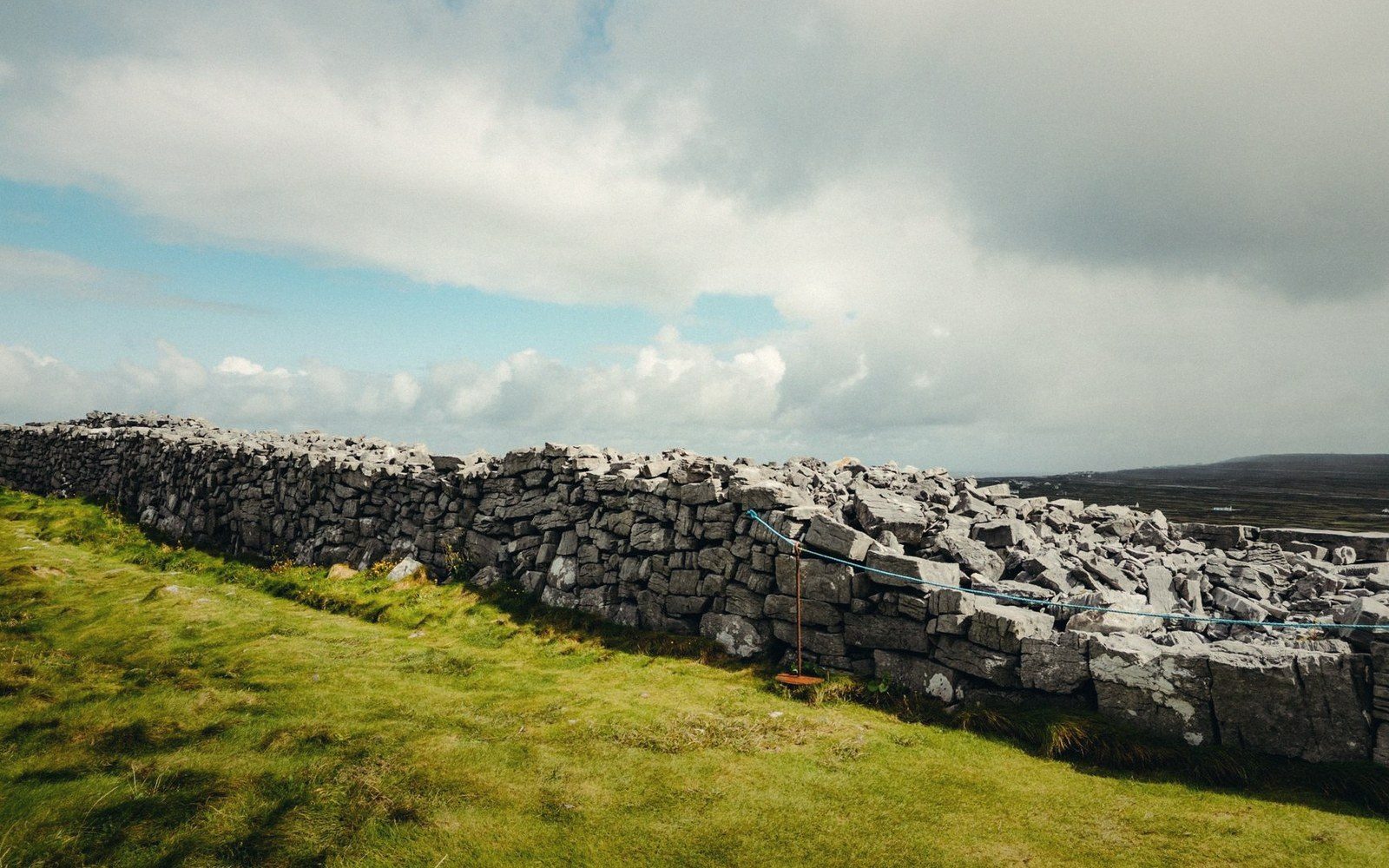
These huts cluster near summer pasture and water, positioned for the logic of the flock rather than for any path or track. They are not built on foundations in any engineered sense; the base course simply sits on levelled ground or a natural shelf of the rock. Their durability is a consequence of that honesty — no mortar to crack, no timber to rot, nothing to fail but the geometry itself, and the geometry, so far, holds.
Archaeology cannot easily date them. Construction technique changed little, and the same form appears in Bronze Age and in eighteenth-century contexts alike.