Lime was expensive, slow to make and not always needed. Corsican builders knew when to use it and when to leave it out.
The logic of the joint
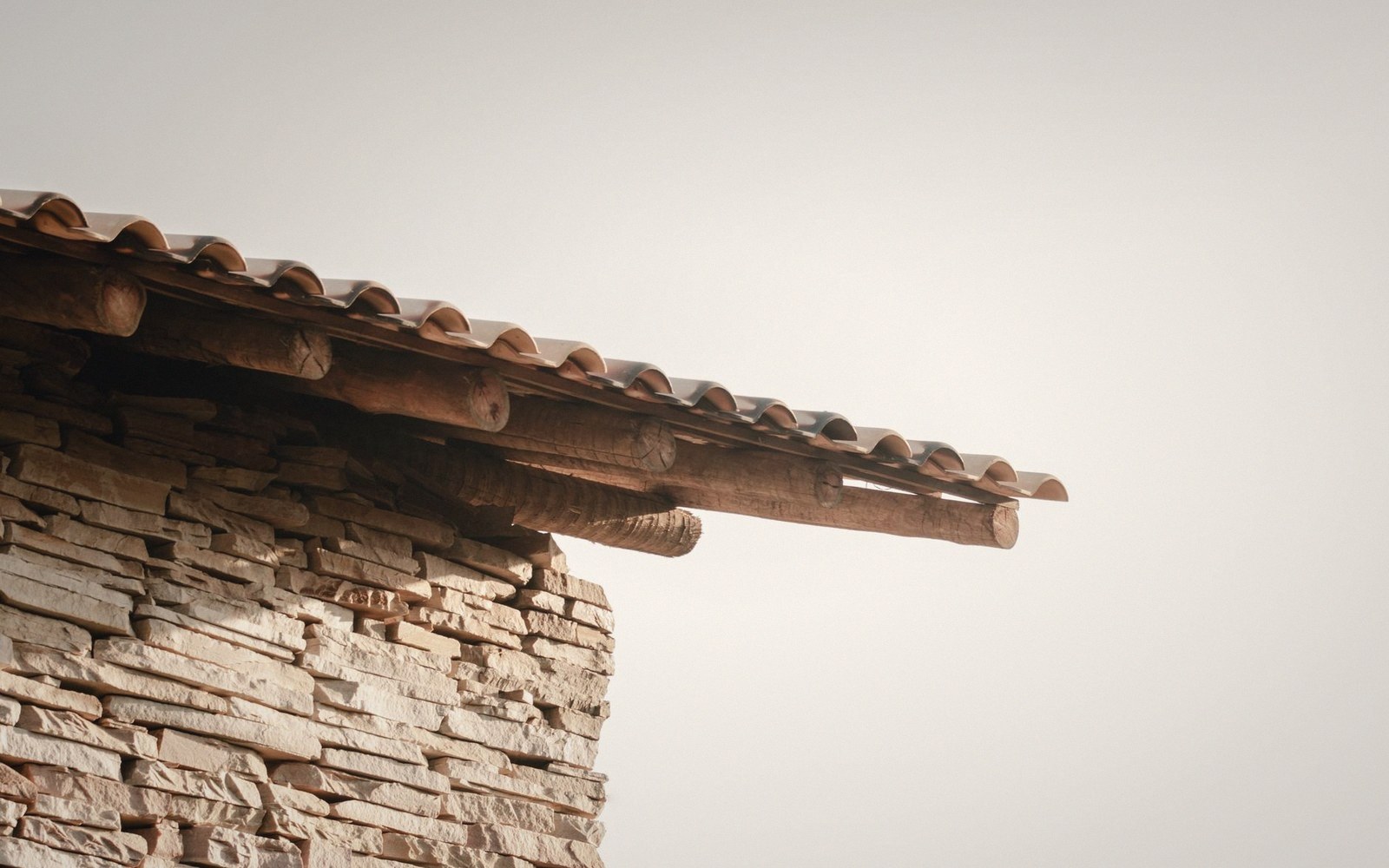
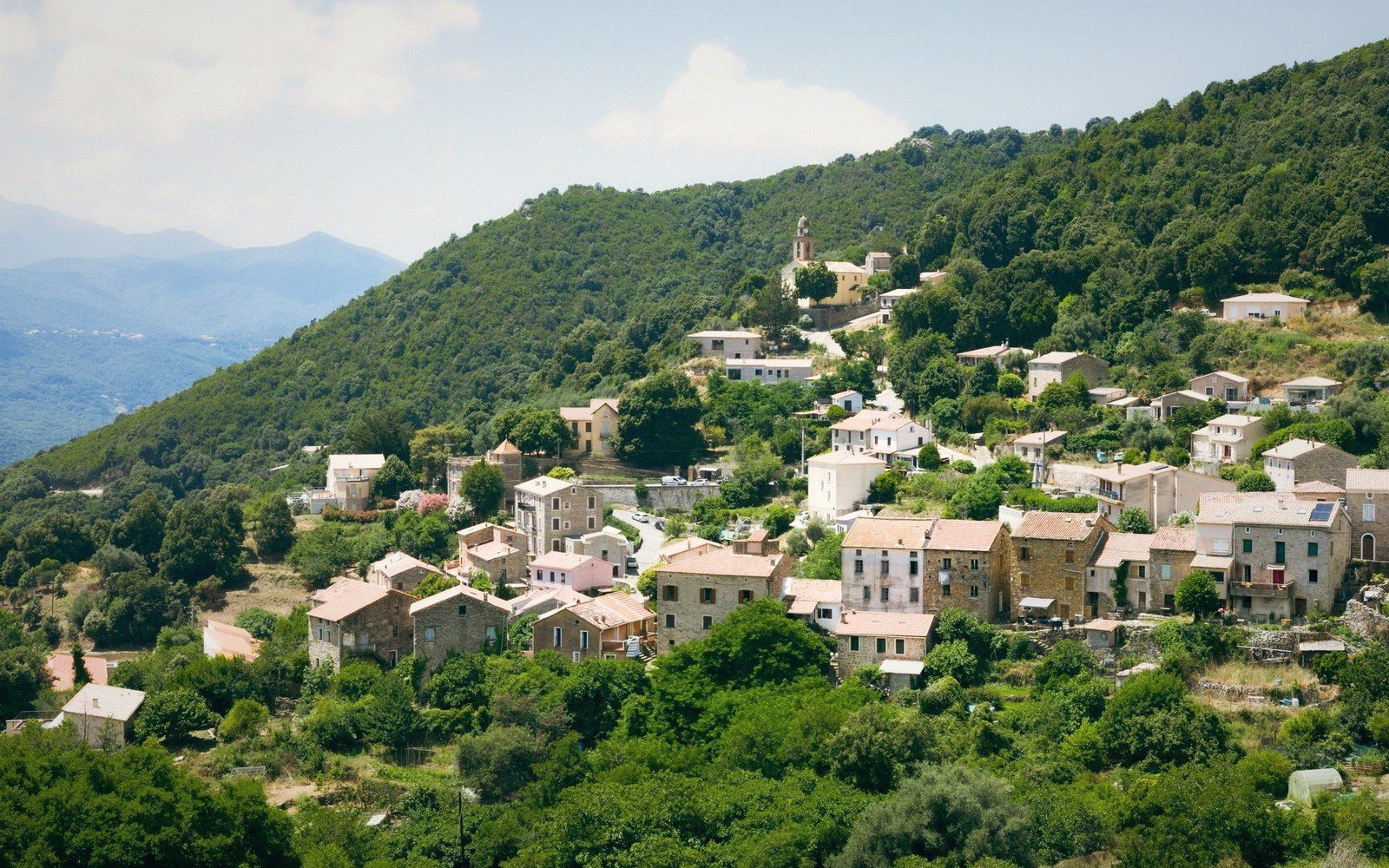
Lime mortar requires limestone, fuel and time — none of them free. Corsica's geology is predominantly granite, which yields no lime without importing or travelling far for it. The island's builders were therefore selective: mortar went where the forces were unpredictable and the consequences of failure severe, and drystone construction handled the rest.
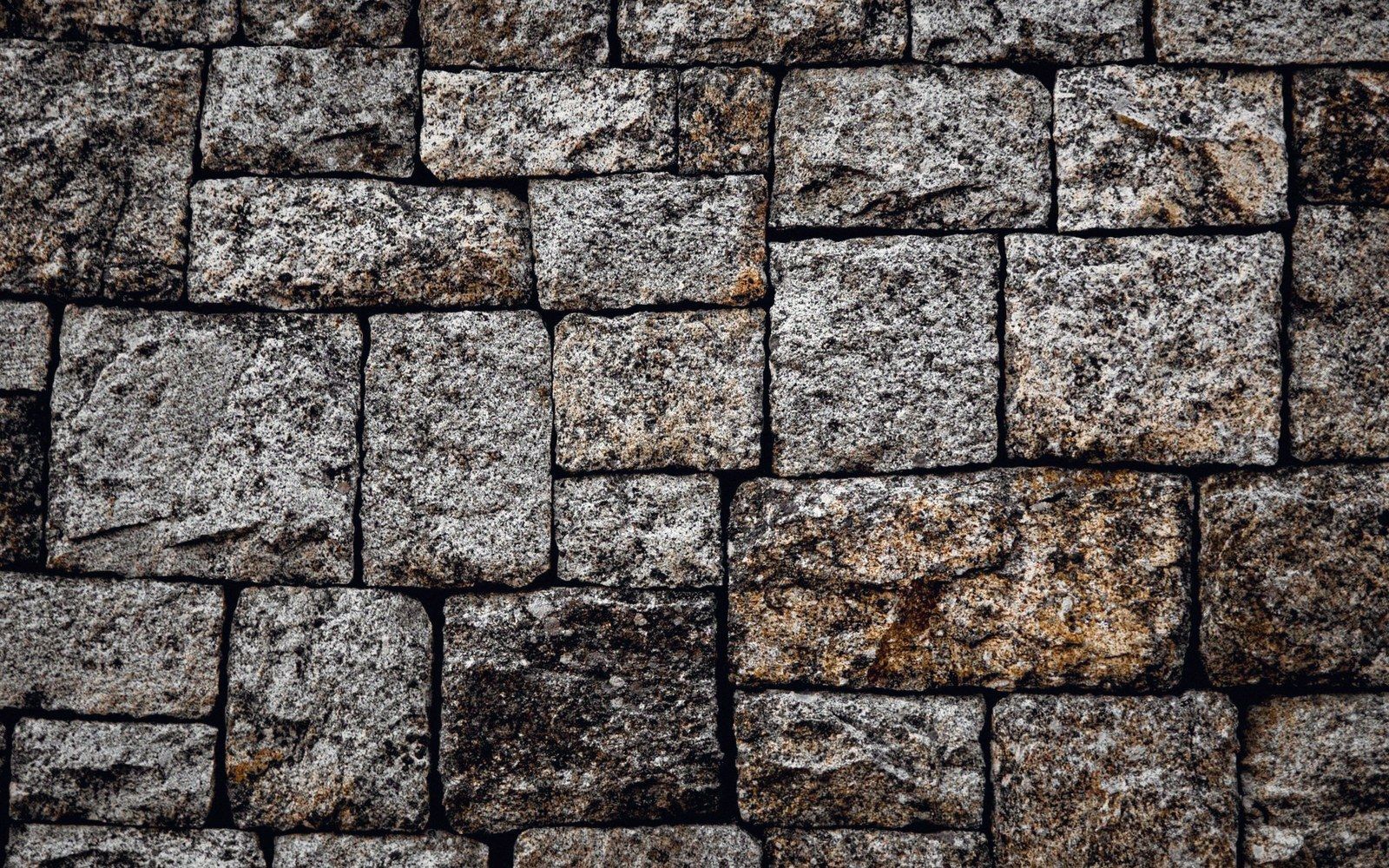
The towers along the coast were built with lime. The loads were complex — a vaulted chamber exerts outward thrust, a raised doorway concentrates stress asymmetrically — and the garrison's life depended on the wall not shifting. More practically, a coastal tower had to resist battering weather on all faces simultaneously, and a mortared joint resists water infiltration in a way that a dry one cannot fully manage. The same logic applied to the dressed quoins and lintels of village houses, where lime was used at the corners and over openings even when the rubble fill between was laid dry.
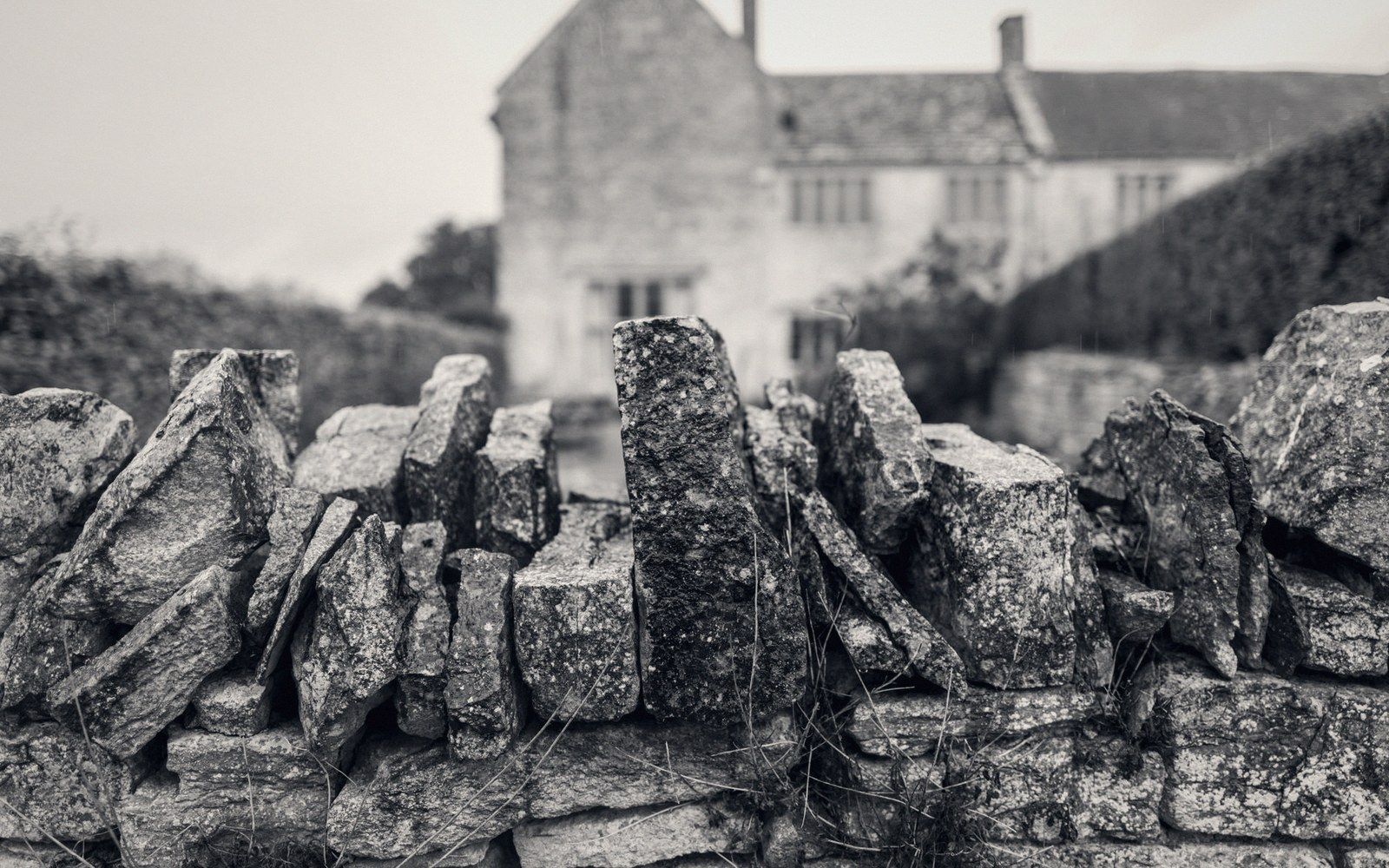
Beyond that line, mortar largely disappears. The corbelled drystone shelters of the high pastures are built entirely without it: flat slabs overlap inward, each course held by the weight of the one above, until the opening closes itself. The structure works through compression and geometry alone. Adding lime to such a joint would achieve nothing; the forces are already resolved by mass.
The same is true of sheepfolds, path-retaining walls and the low enclosures around threshing floors. These are friction structures. The stones are selected and placed so that no single one can slide without displacing several others, and the slight flexibility of a dry wall actually helps it survive ground movement and frost — a rigidly mortared wall in the same position would crack rather than settle.
What this meant in practice was a bifurcated skill. The village mason who could gauge a lime mix and bed a vault was a specialist, paid accordingly. The shepherd who built a fold from whatever lay on the ground was performing a different but equally disciplined act: reading the shape of each stone, rotating it until it locked, leaving no hollow that would rattle in the wind. Both forms of knowledge were necessary; neither was crude. The drystone fold is not an unfinished mortared wall. It is the appropriate answer to a different question.
Where lime was available and the function demanded it, it was used without hesitation. Where it was not, the builders did not consider themselves to be making do.
Signal and Stone is an independent publication about vernacular building and landscape organisation in Corsica. It is not a tourism body.