The men behind the signal
A Genoese watchtower was not a fort. It held, at most, two or three men — a torrero (tower-keeper) and one or two guards drawn from the surrounding community, serving rotations that contemporary records describe as consistently difficult to fill. The posting was exposed, monotonous and poorly compensated, and the rota depended heavily on local obligation rather than military enthusiasm.
The torreros were salaried appointees of the Genoese Office of St George, the bank-turned-colonial-administration that managed Corsica from the fifteenth century until the island's transfer to France in 1768. Their pay was real but irregular, arriving in arrears often enough that complaints about it appear repeatedly in the administrative correspondence. The guards who served alongside them were typically drawn from the nearest village by a rotation of duty that spread the burden community-wide — and was resented community-wide.
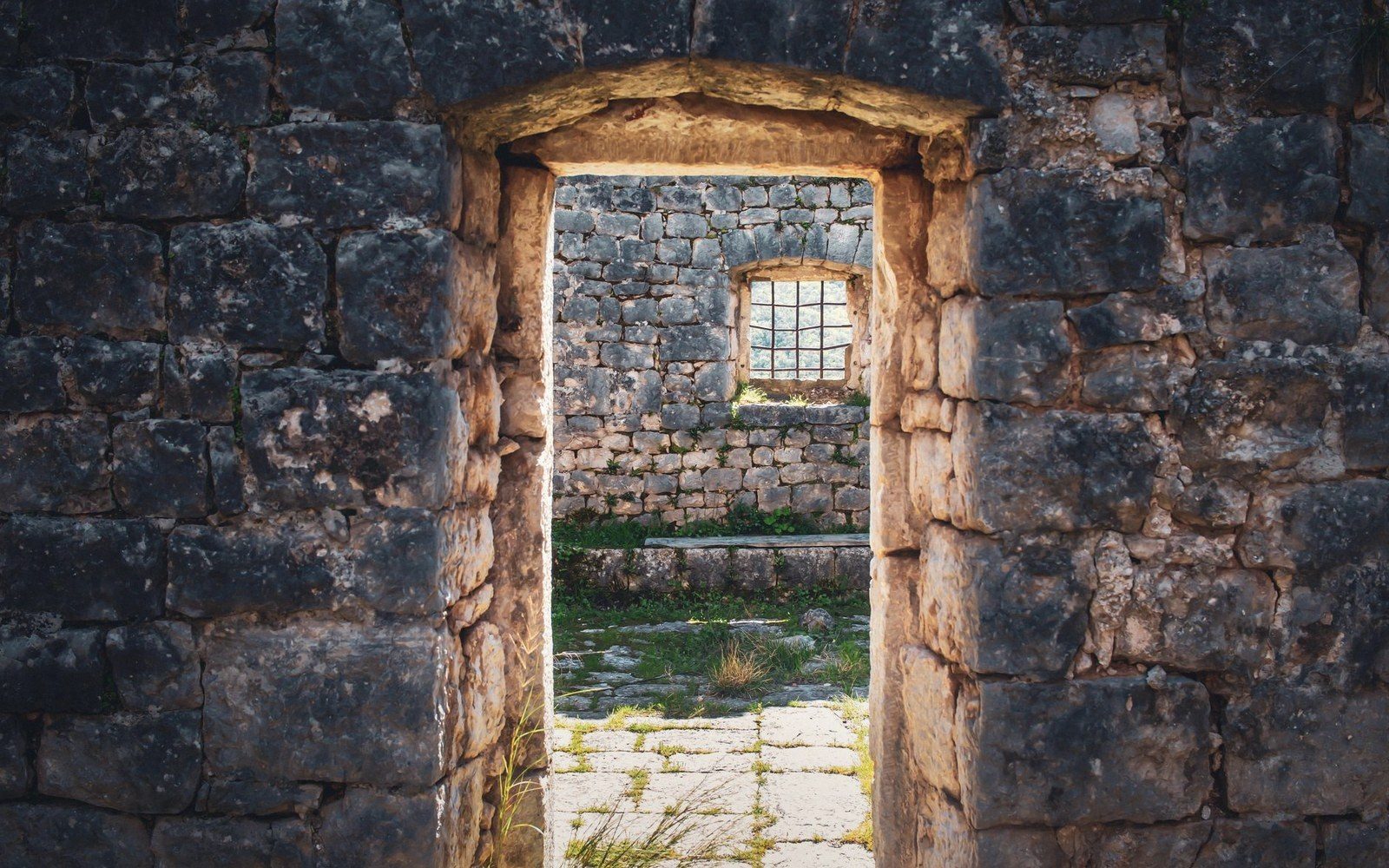
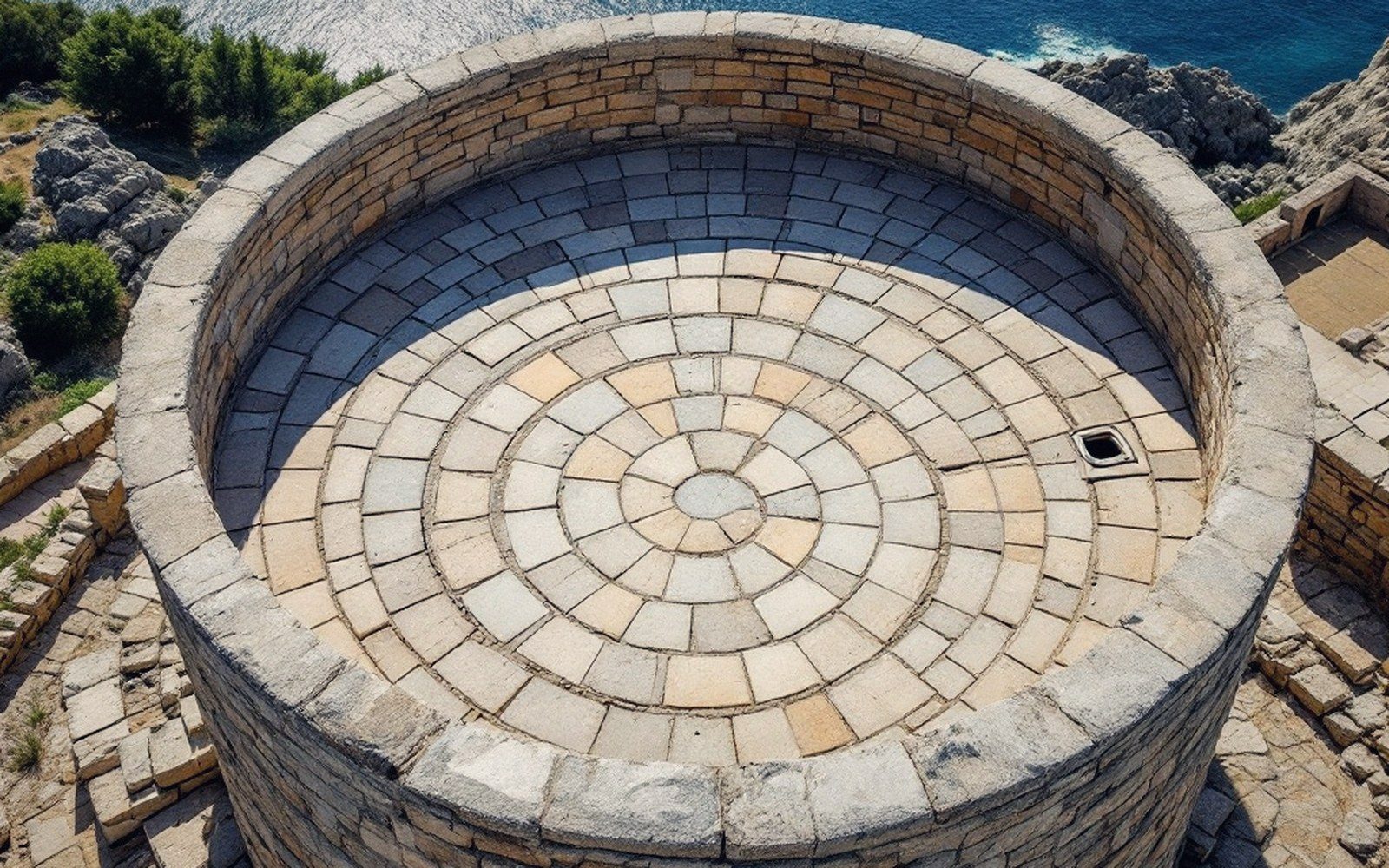
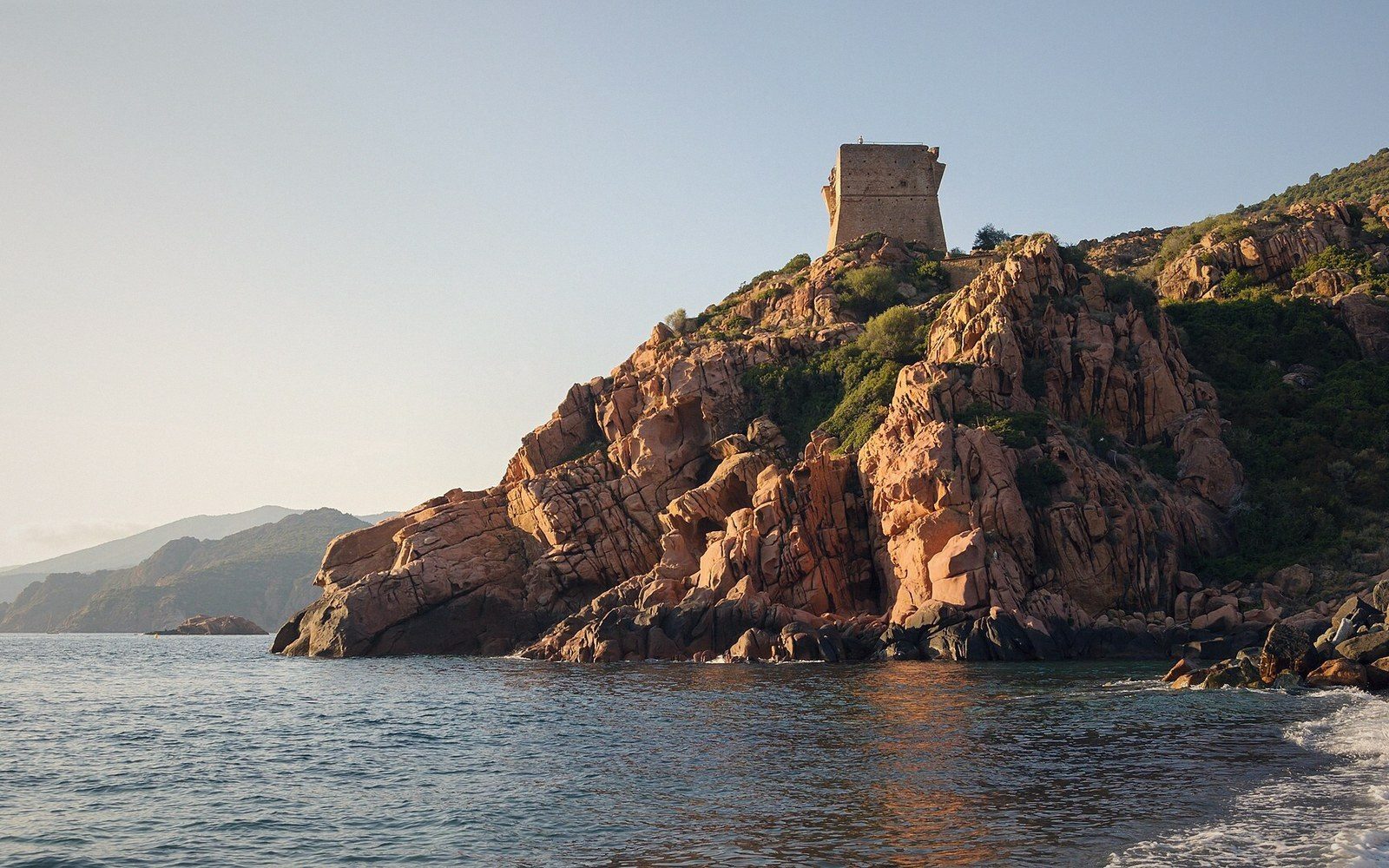
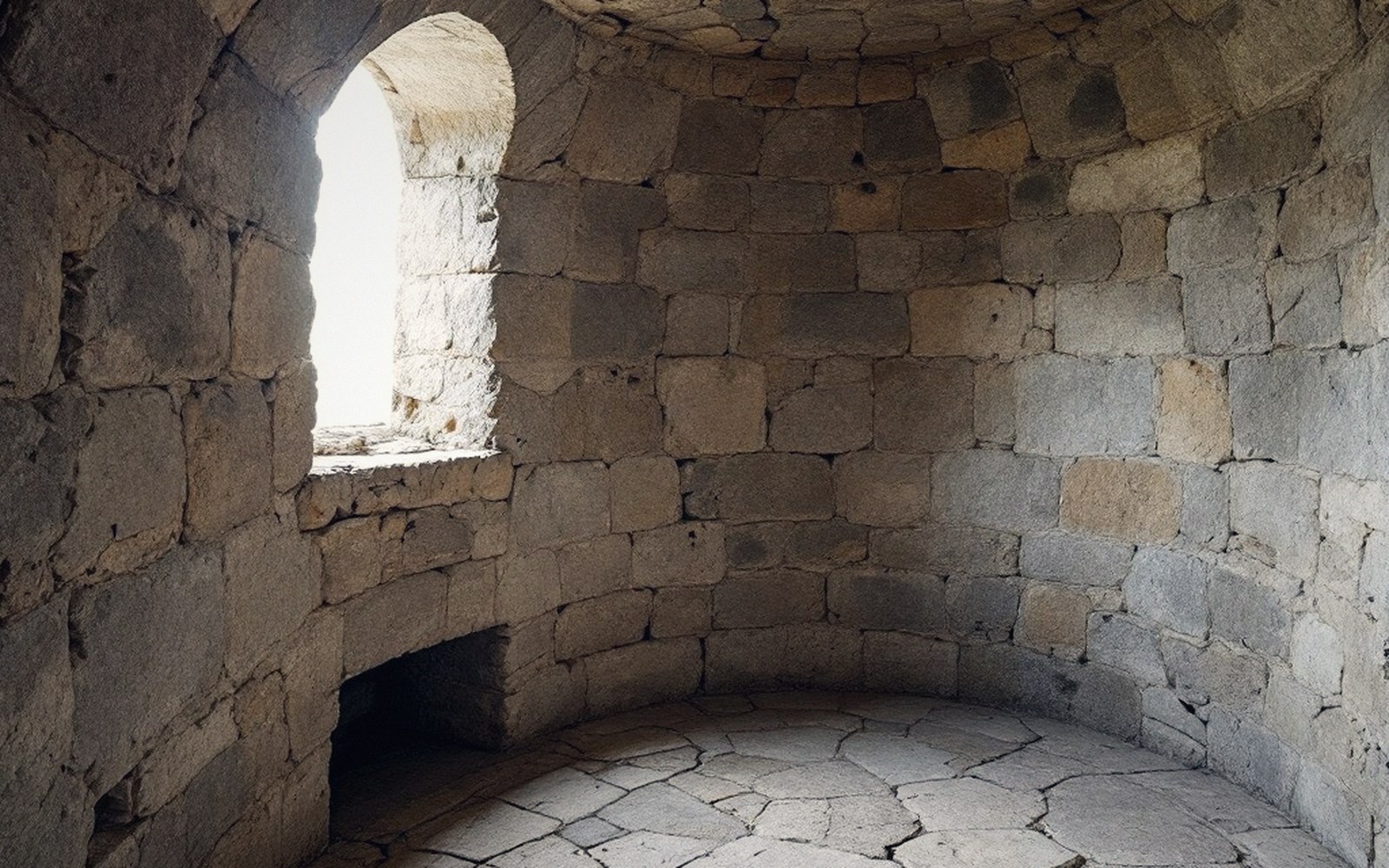
Supplies came from the coast or from nearby settlements, but never on a reliable schedule. A tower sited on a remote headland might go weeks between deliveries. The men had to maintain a stock of dry fuel for the signal fire, keep the terrace above cleared and ready, and watch a horizon that, on most days, offered nothing back. The structure itself provided scant shelter against winter tramontane winds; the single vaulted chamber, windowless or nearly so below the raised entrance, was dark and damp for much of the year.
What the system required, in other words, was sustained low-level human attention — not courage under fire, but the grinding discipline of staying put and watching. The historical record suggests this was the harder ask. Desertions and absences are documented; replacement guards were sometimes impossible to find at short notice. The network functioned not because it was adequately manned at every point, but because enough towers were occupied enough of the time to pass a warning along the coast before a raiding vessel could close the shore.
Signal and Stone is an independent publication about vernacular building and landscape organisation in Corsica. It is not a tourism body and carries no affiliation with any official or commercial entity.